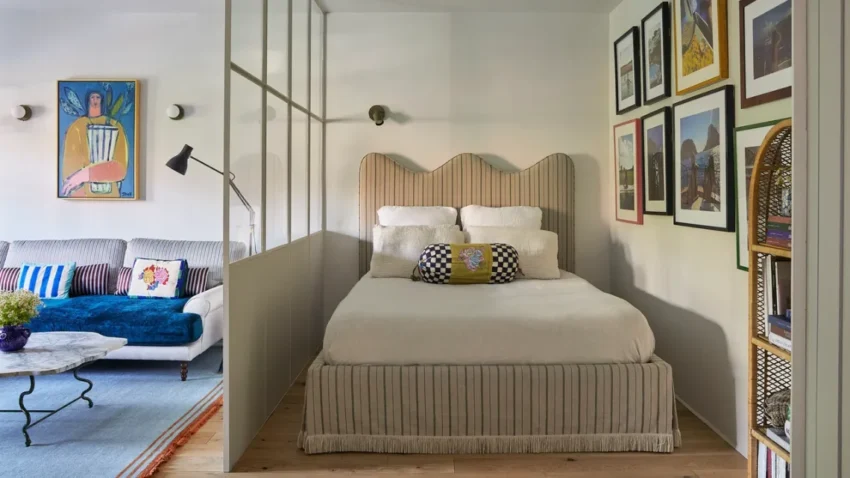
Living in a small apartment has forced me to rethink how I treat my sleep space, and I quickly realized that comfort is not about size but about intention. Limited square footage can easily turn a bedroom into a cluttered, multi-purpose area that disrupts rest, but it also presents an opportunity to design a setup that works smarter. I have learned that even the smallest space can become a deeply calming sleep environment with the right adjustments, thoughtful layout, and a focus on simplicity.
Making The Bed The True Centerpiece
The bed is the most important element in any sleep setup, but in a small apartment, it becomes even more central because everything else revolves around it. I made a conscious decision to prioritize comfort over everything else, even if it meant sacrificing extra furniture. A supportive mattress, breathable sheets, and a pillow that aligns my neck properly transformed the way I rest at night.
I noticed that when the bed feels inviting, I am naturally drawn to it at the right time instead of staying up on my phone or working late. That subtle shift helped reinforce a healthy sleep routine without forcing it. The bed becomes more than just furniture; it becomes a signal to my body that it is time to rest.
I also paid attention to the height and frame of the bed, opting for something that offers storage underneath. This simple decision helped me eliminate clutter elsewhere, making the entire room feel lighter and more open.
Using Vertical Space To Stay Organized
Small apartments do not offer much floor space, so I started looking upward instead of outward. Installing shelves above eye level gave me storage without crowding the room, and it allowed me to keep essentials within reach while maintaining a clean layout. I found that vertical organization reduces visual noise, which plays a huge role in how relaxed I feel at night.
I keep only what I need near the bed, such as a small lamp, a book, and a glass of water. Everything else goes onto higher shelves or into hidden storage. This separation keeps the sleep area focused and prevents distractions that might pull me out of a restful mindset.
Once I removed unnecessary items from the immediate space, I noticed how much easier it became to unwind. The room felt intentional rather than chaotic, which made falling asleep feel natural instead of forced.
Creating Zones Within A Single Room
Living in a small apartment often means the bedroom doubles as a workspace, dining area, or even a lounge. I realized that blending everything together was affecting my sleep, so I began creating subtle zones within the same room. Even without walls, I used rugs, lighting, and furniture placement to define where each activity belongs.
My bed area became strictly for rest, while my desk faced a different direction to separate work from relaxation. This visual distinction helped my brain associate each space with a specific purpose, reducing mental clutter at night. It felt like I was training myself to switch modes simply by moving a few steps.
This zoning approach does not require a lot of space or money, but it has a powerful impact on sleep quality. The clearer the boundaries, the easier it is to disconnect from daily stress.
Lighting That Supports Natural Sleep Patterns
Lighting can completely change how a small apartment feels, especially at night. I replaced harsh overhead lights with softer, warmer options that mimic the natural transition from day to evening. This simple adjustment helped signal to my body that it was time to wind down.
I use layered lighting instead of relying on a single source. A bedside lamp, a dimmable light, and even a soft glow from a corner create depth without overwhelming the space. The room feels calm instead of clinical, which makes it easier to relax.
Reducing blue light exposure before bed also made a noticeable difference. I started dimming lights earlier in the evening, and over time, my sleep schedule became more consistent without much effort.
Managing Noise In A Compact Environment
Noise can be one of the biggest challenges in a small apartment, especially if it is located in a busy area. I had to find ways to create a sense of quiet even when complete silence was not possible. Soft furnishings like curtains, rugs, and upholstered furniture helped absorb sound and reduce echo.
I also experimented with consistent background noise, such as a fan or white noise app, to mask sudden disruptions. This created a steady sound environment that made it easier to stay asleep throughout the night. Instead of reacting to every external noise, my mind learned to tune it out.
Over time, I realized that controlling noise is not about eliminating it entirely but about making it predictable and less intrusive. That shift in perspective made a huge difference in how restful my sleep felt.
Temperature Control In Limited Space
Small apartments can heat up quickly, especially during warmer months, and that can interfere with sleep. I focused on maintaining a comfortable temperature by improving airflow and using lightweight bedding. Even small adjustments, like positioning a fan correctly or opening windows strategically, made a noticeable impact.
I also became more mindful of the materials I use, choosing fabrics that breathe well and do not trap heat. This helped me stay comfortable throughout the night without constantly waking up. A cool environment supports deeper sleep, and I could feel the difference almost immediately.
Finding the right balance took some trial and error, but once I got it right, my sleep became more consistent and uninterrupted.
Decluttering As A Nighttime Ritual
Clutter has a way of building up quickly in a small apartment, and I noticed it directly affected how I felt before bed. Instead of letting things pile up, I started treating decluttering as part of my nightly routine. Spending just a few minutes putting things back in their place created a sense of order that carried into my sleep.
This habit helped me mentally reset at the end of the day. Walking into a clean, organized space made it easier to relax and let go of lingering thoughts. The environment felt supportive rather than overwhelming.
Over time, this simple practice became automatic, and I no longer associated my room with stress or unfinished tasks. It became a place where I could fully unwind.
Multi Functional Furniture That Saves Space
In a small apartment, every piece of furniture needs to earn its place. I started looking for items that serve more than one purpose, such as a bed with storage, a foldable desk, or a bench that doubles as a storage unit. These choices helped me maximize space without sacrificing comfort.
The key is to keep things simple and avoid overloading the room with too many functions. I focused on selecting a few versatile pieces rather than trying to fit everything in. This made the space feel intentional and easy to navigate.
Having fewer but more functional items also reduced visual clutter, which contributed to a calmer sleep environment. The room felt balanced instead of cramped.
Scent And Air Quality Matter More Than Expected
The way a room smells and feels can influence sleep more than I initially realized. I started paying attention to air quality by ensuring proper ventilation and occasionally using a fan to keep air circulating. Fresh air made the room feel lighter and more comfortable.
I also introduced subtle scents, such as lavender or chamomile, to create a calming atmosphere. The key was to keep it gentle and not overpowering. A light, consistent scent became part of my nighttime routine and helped signal that it was time to relax.
This combination of clean air and soothing scent added another layer of comfort that enhanced the overall sleep experience.
Personal Touch Without Overcrowding
Adding personality to a small space can be tricky because too many decorations can quickly make it feel cluttered. I focused on selecting a few meaningful items rather than filling every surface. A piece of art, a plant, or a favorite book can add character without overwhelming the room.
I found that these small touches made the space feel like my own while still maintaining a sense of calm. The goal is not to strip the room of personality but to curate it carefully. Each item should contribute to the overall atmosphere rather than compete for attention.
This balance helped me create a space that feels both personal and peaceful, which is exactly what I need for restful sleep.
Consistent Routine Within A Limited Space
A small apartment can blur the lines between different parts of daily life, so I made it a point to establish a consistent nighttime routine. Simple actions like dimming the lights, putting away devices, and preparing the bed signaled the end of the day. These habits became cues that helped my body transition into sleep mode.
I noticed that consistency matters more than complexity. Even a short routine can have a strong impact if it is repeated regularly. The key is to create a pattern that feels natural and easy to maintain.
Over time, this routine became something I looked forward to rather than a task. It marked a clear boundary between the busyness of the day and the calm of the night.
Maximizing Natural Light During The Day
Daytime habits also influence how well I sleep at night, especially in a small apartment. I made an effort to let in as much natural light as possible during the day by opening curtains and arranging furniture to avoid blocking windows. This helped regulate my internal clock and made it easier to fall asleep later.
Exposure to natural light improved my mood and energy levels, which carried into better sleep quality. The contrast between a bright day and a dim evening created a natural rhythm that supported rest.
This simple adjustment required no extra space or cost, yet it had a noticeable impact on how I feel both during the day and at night.
Simplifying The Entire Sleep Environment
At some point, I realized that the best sleep setup is not about adding more but about refining what is already there. I began removing anything that did not serve a clear purpose or contribute to comfort. This process made the space feel lighter and more focused.
A simplified environment reduces distractions and allows the mind to settle more easily. It becomes easier to relax when there is less competing for attention. The room starts to feel like a dedicated space for rest rather than a storage area for everything else.
This mindset shift helped me appreciate the benefits of a small apartment instead of seeing it as a limitation. With fewer elements to manage, it becomes easier to create a space that truly supports sleep.
Final Thoughts On Building A Sleep Friendly Small Space
Living in a small apartment does not mean sacrificing quality sleep, and I have seen firsthand how thoughtful design can make a huge difference. By focusing on comfort, organization, and intentional choices, I turned a limited space into a place that supports rest and relaxation. Each adjustment may seem small on its own, but together they create a powerful effect.
The process taught me that sleep is not just about the bed but about the entire environment. Everything from lighting to layout plays a role in how well I rest. Once I aligned these elements with my needs, sleep became something that happens naturally rather than something I struggle to achieve.
A small apartment can feel like a constraint at first, but it can also become an advantage. With fewer distractions and a more focused setup, it is possible to create a sleep space that is both functional and deeply restorative.