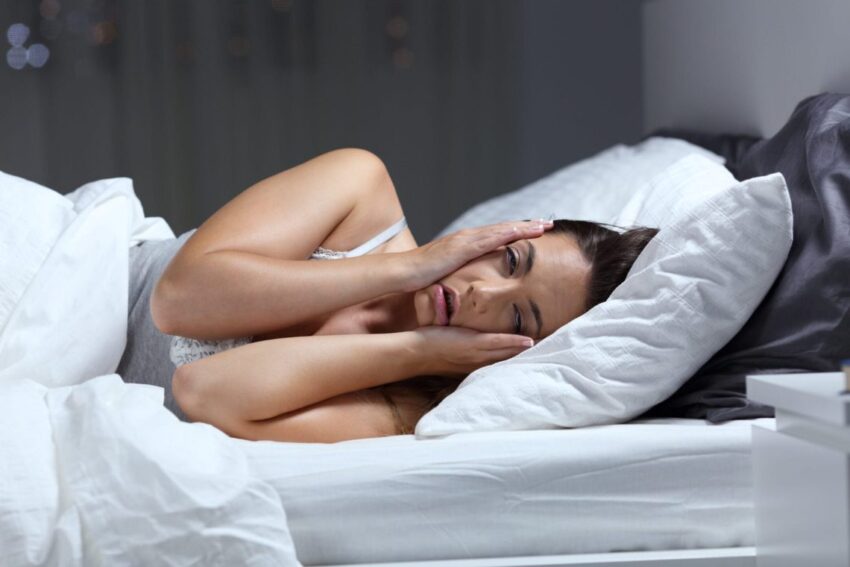
A glass of wine at night feels harmless, even comforting, and I’ve had many evenings where it seemed like the perfect way to wind down. The quiet buzz, the slow heaviness in the body, and the illusion of calm all suggest that sleep will come easier and deeper. Yet over time, I started noticing that the nights after drinking didn’t feel as restful as they should have been. I would wake up groggy, sometimes anxious, and often more tired than the night before. That contradiction pushed me to take a closer look at how alcohol really interacts with sleep, and the reality turned out to be far more complicated than the relaxing narrative most of us believe.
Why Alcohol Feels Like A Sleep Aid
The initial effect of alcohol is sedating, and that sensation can be misleading. After drinking, the brain slows down, and the body begins to relax in a way that mimics the early stages of sleepiness. I have felt that pull many times, especially after a stressful day, where a drink seems to smooth out the noise in my head. It becomes easy to associate alcohol with better sleep simply because it shortens the time it takes to fall asleep.
This effect happens because alcohol enhances certain neurotransmitters that calm the nervous system. It suppresses brain activity in a way that makes drifting off feel effortless. However, this is not the same as natural sleep readiness. It is more like being pushed into sleep artificially, which creates a fragile and often disrupted rest later in the night.
The Hidden Disruption In The Second Half Of The Night
Falling asleep quickly is only one part of the story. The real issue begins several hours later, when the body starts metabolizing the alcohol. I began to notice that I would wake up in the middle of the night for no clear reason. Sometimes it was a racing heart, other times it was just a light, restless awareness that refused to settle back into deep sleep.
Alcohol fragments the second half of sleep, which is when the body normally cycles through restorative stages. Instead of moving smoothly through these cycles, sleep becomes shallow and interrupted. Even if I stayed in bed for eight hours, the quality of that sleep felt broken. The result was waking up feeling like I had not truly rested at all.
How REM Sleep Gets Compromised
One of the most significant effects of alcohol is its impact on REM sleep. This stage is essential for mental recovery, emotional processing, and memory consolidation. On nights when I drank, my dreams were either absent or strangely vivid in a chaotic way. That inconsistency made me realize something deeper was happening.
Alcohol suppresses REM sleep in the early part of the night, which might not feel noticeable at first. Later, the body tries to compensate by increasing REM activity, often leading to intense dreams or frequent awakenings. This imbalance disrupts the natural rhythm of sleep. Over time, it can leave the mind feeling foggy, unfocused, and emotionally off balance the next day.
The Illusion Of Deep Sleep
There were nights when I believed I slept deeply after drinking, simply because I did not remember waking up. It felt like I had knocked out completely. However, that sensation turned out to be misleading. Alcohol can increase slow-wave sleep temporarily, which is the deepest stage, but it does not sustain it.
Instead of maintaining a healthy balance of sleep stages, alcohol compresses and distorts them. The body may enter deep sleep quickly, but it cannot maintain it throughout the night. I found that even on nights when I thought I slept well, my energy levels the next day told a different story. The sleep was heavy, but not truly restorative.
Why Frequent Nighttime Wakeups Happen
Another pattern I began to notice was waking up more often after drinking, sometimes to use the bathroom or simply because my body felt unsettled. Alcohol is a diuretic, which means it increases urine production. This alone can interrupt sleep multiple times during the night.
Beyond that, alcohol affects body temperature regulation and can lead to sweating or discomfort. It also relaxes the muscles in the throat, which can worsen snoring or even contribute to sleep apnea. All of these factors create an environment where uninterrupted sleep becomes difficult to achieve. Even if I fell asleep quickly, staying asleep became the real challenge.
The Impact On Heart Rate And Anxiety
One of the more surprising effects I experienced was a racing heart in the middle of the night. It felt like my body was suddenly alert, even though I had gone to bed feeling relaxed. This is tied to how alcohol affects the nervous system as it wears off. The body shifts from a sedated state to a more stimulated one.
This rebound effect can increase heart rate and trigger feelings of anxiety. I have had nights where I woke up with a sense of unease that was hard to explain. It made falling back asleep difficult, and the lingering tension carried into the next day. Over time, it became clear that alcohol was not reducing stress in the long run but subtly amplifying it.
How Tolerance Changes The Experience
At one point, I noticed that the same amount of alcohol no longer made me feel as sleepy as it once did. This is where tolerance comes into play. The body adapts to regular alcohol consumption, which means its sedative effects become less pronounced over time.
As tolerance builds, it becomes tempting to drink more to achieve the same relaxing effect. However, increasing intake only worsens sleep disruption. I realized that relying on alcohol as a sleep aid can easily turn into a cycle where sleep quality continues to decline. What starts as a small habit can quietly reshape how the body handles rest.
The Next-Day Fatigue That Lingers
The morning after drinking often carries a heaviness that goes beyond simple tiredness. I have felt the sluggishness, the lack of focus, and the subtle irritability that seems to linger throughout the day. This is not just about dehydration or a hangover. It is directly tied to poor sleep quality.
Even moderate alcohol consumption can reduce the overall efficiency of sleep. That means spending enough time in bed but not getting the full benefits of it. I have noticed that productivity drops, mood becomes less stable, and even simple tasks feel more demanding. It becomes clear that the cost of that evening drink shows up in ways that extend far beyond the night itself.
Alcohol And Circadian Rhythm Disruption
Sleep is not just about how long I stay in bed, but also about timing. Alcohol can interfere with the body’s internal clock, which regulates when I feel sleepy and when I feel alert. Drinking late in the evening can push this rhythm out of sync.
I have experienced nights where I fell asleep quickly but woke up earlier than usual, unable to return to sleep. This misalignment can accumulate over time, making it harder to maintain a consistent sleep schedule. A disrupted circadian rhythm affects energy levels, mood, and overall well-being in ways that are not always immediately obvious.
The Difference Between Occasional And Regular Drinking
Not every drink leads to a terrible night of sleep, and I have had evenings where the impact felt minimal. The difference becomes more noticeable with consistency. Occasional drinking might only cause mild disruption, but regular use creates a pattern that is harder to ignore.
I began to see that even small, nightly habits could add up. The body does not fully recover if sleep is consistently compromised. Over time, this can lead to chronic fatigue and a gradual decline in sleep quality. Recognizing this difference helped me rethink how often and how much I drink, especially close to bedtime.
Better Ways To Wind Down At Night
Replacing alcohol as a nighttime ritual was not as difficult as I expected once I understood its effects. I started experimenting with other ways to relax, such as reading, stretching, or simply sitting in silence for a few minutes. These alternatives did not provide the same immediate buzz, but they supported better sleep.
Building a consistent pre-sleep routine made a noticeable difference. The body responds well to signals that it is time to wind down. Over time, these habits created a more natural transition into sleep. I found that I did not need alcohol to relax once I gave my body the chance to develop healthier patterns.
What I Noticed After Cutting Back
Reducing alcohol intake had a clear impact on how I felt both at night and during the day. Sleep became more consistent, and waking up felt less like a struggle. The grogginess that used to linger in the morning gradually faded.
I also noticed improvements in mood and focus. Without the disruptions caused by alcohol, my sleep felt more complete. The difference was not dramatic overnight, but it became more noticeable over time. It reinforced the idea that small changes in habits can lead to meaningful improvements in overall well-being.
Final Thoughts On Alcohol And Rest
Alcohol and sleep have a complicated relationship that is easy to misunderstand. The initial relaxation it provides can mask the deeper disruptions it causes later in the night. I have learned that falling asleep quickly does not mean sleeping well, and the quality of rest matters far more than how easily it begins.
Looking back, the biggest shift came from paying attention to how I actually felt after a night of drinking. The patterns were subtle at first but became impossible to ignore. Sleep improved when alcohol was no longer part of my nightly routine, and that alone made the change worthwhile.