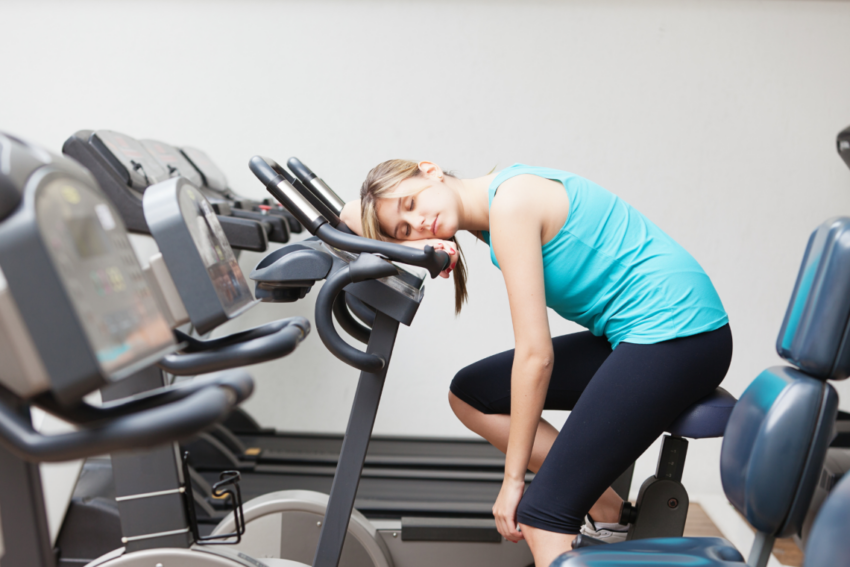
Sleep and movement are deeply connected in ways I did not fully appreciate until I began paying attention to my daily patterns. The nights I slept deeply were rarely random, and over time I noticed they often followed days when my body had been active in a meaningful way. Exercise did not just make me physically tired; it influenced how quickly I fell asleep, how long I stayed asleep, and how refreshed I felt in the morning. This connection goes beyond simple fatigue and reaches into the rhythms that guide the body’s internal clock.
The Link Between Movement And The Body Clock
My sleep schedule started to feel more stable once I became consistent with exercise. The body operates on a natural rhythm, often referred to as the circadian rhythm, and physical activity acts as a signal that helps regulate it. When I move regularly, especially at similar times each day, my body begins to anticipate both activity and rest.
There is a noticeable difference in how my evenings feel after a day with movement compared to one without. My body feels aligned with the time of day, and sleepiness arrives more naturally rather than being forced. That sense of rhythm removes the struggle of trying to fall asleep, which used to be a nightly frustration.
How Exercise Helps You Fall Asleep Faster
On days when I exercise, I rarely spend long periods staring at the ceiling. My body transitions into sleep more smoothly, almost as if it recognizes the need to recover. The physical exertion creates a natural pressure for rest that feels very different from mental exhaustion.
This kind of tiredness is deeper and more satisfying. Instead of feeling wired but exhausted, I feel ready to sleep in a calm and steady way. That shift has made a huge difference in how I experience bedtime, turning it into something I look forward to instead of something I struggle through.
Deep Sleep And Physical Recovery
One of the most noticeable changes I experienced was an increase in deep sleep. After more intense workouts, I wake up feeling like my body truly rested. Deep sleep is the phase where the body repairs muscles, restores energy, and strengthens the immune system.
I can often tell when I have had enough deep sleep because my body feels lighter and less tense. Exercise seems to encourage this stage by giving the body a reason to recover more fully. Without that physical demand, sleep can feel shallow and incomplete.
The Role Of Hormones In Sleep Quality
Exercise influences several hormones that play a role in sleep, and I began to notice these effects over time. Physical activity helps regulate cortisol, which is the stress hormone that can keep the mind alert at night. When cortisol levels stay high, falling asleep becomes much harder.
At the same time, exercise supports the production of hormones that promote relaxation and well-being. After a workout, I often feel a sense of calm that carries into the evening. This balance between energy and relaxation creates the ideal conditions for better sleep.
Morning Workouts And Energy Balance
Exercising in the morning has a unique effect on my sleep cycle. It sets the tone for the day and seems to anchor my internal clock more effectively. When I start the day with movement, I feel more alert during daylight hours and naturally wind down at night.
Morning workouts also expose me to natural light, which further supports the body’s rhythm. That combination of movement and light creates a strong signal that helps regulate when I feel awake and when I feel sleepy. Over time, this has made my sleep schedule more predictable.
Evening Exercise And Its Effects
Working out in the evening can be a bit more complex. Sometimes it energizes me, especially if the session is intense or ends too close to bedtime. I have learned to pay attention to how my body reacts and adjust the timing accordingly.
Lighter forms of exercise in the evening, such as stretching or gentle movement, often help me relax. These activities reduce tension and prepare my body for rest rather than stimulating it. Finding the right balance has been key to making evening workouts work in my favor.
Consistency Matters More Than Intensity
I used to think that harder workouts would automatically lead to better sleep, but that has not always been the case. Consistency has proven to be far more important than intensity. Regular, moderate exercise keeps my sleep cycle steady without overwhelming my body.
When I push too hard without enough recovery, my sleep can actually suffer. My body feels restless, and it becomes harder to relax at night. Keeping a consistent routine has allowed me to build a healthier relationship between exercise and rest.
The Mental Benefits That Support Sleep
Exercise does not just affect the body; it also changes how the mind feels at the end of the day. On days when I move more, my thoughts tend to feel quieter and less scattered. This mental clarity makes it easier to transition into sleep.
Stress and anxiety often show up at night, making it difficult to relax. Physical activity helps release that tension, giving the mind a chance to reset. That mental shift is just as important as the physical one when it comes to improving sleep quality.
How Different Types Of Exercise Affect Sleep
Not all exercise feels the same, and I have noticed that different types of movement affect my sleep in different ways. Cardio workouts tend to make me feel pleasantly tired, while strength training leaves me feeling grounded and steady.
Gentle activities like yoga or stretching create a sense of calm that carries directly into bedtime. Mixing these different forms of exercise throughout the week has helped me find a balance that supports both energy and rest. The variety keeps things interesting while also benefiting my sleep cycle.
Rest Days And Their Importance
Rest days play a crucial role in how exercise affects sleep. Skipping rest entirely can lead to fatigue that does not translate into good sleep. Instead, it creates a sense of exhaustion that feels heavy and unrefreshing.
When I give my body time to recover, sleep becomes more restorative. Rest days allow the benefits of exercise to fully take effect without pushing the body too far. This balance between activity and recovery is essential for maintaining a healthy sleep cycle.
Building A Routine That Supports Better Sleep
Creating a routine has been one of the most effective ways to improve my sleep. When exercise becomes a regular part of the day, it naturally supports a consistent bedtime. The body begins to recognize patterns and respond accordingly.
I have found that even small amounts of daily movement can make a difference. It does not have to be intense or time-consuming to be effective. What matters most is showing up regularly and allowing the body to adapt over time.
Listening To Your Body’s Signals
Paying attention to how my body responds has helped me refine my approach to exercise and sleep. Some days call for more movement, while others require rest or gentler activity. Ignoring these signals can disrupt both energy levels and sleep quality.
By tuning in to what my body needs, I can make adjustments that support better rest. This awareness has made my routine more flexible and sustainable. It also helps me avoid the frustration of trying to force results that do not align with how I feel.
Small Changes That Lead To Better Nights
Improving sleep through exercise does not require dramatic changes. Small adjustments, such as adding a short walk or stretching session, can have a noticeable impact. Over time, these small habits build into a routine that supports deeper and more consistent sleep.
I have learned that the relationship between exercise and sleep is not about perfection. It is about finding what works and staying consistent. Even minor improvements can lead to better nights and more energized days.
A Balanced Approach To Movement And Rest
The connection between exercise and sleep is not about pushing the body to its limits. It is about creating a balance that supports both activity and recovery. When that balance is in place, sleep becomes more natural and restorative.
I continue to adjust my routine as I learn more about what helps me feel my best. Exercise remains one of the most powerful tools for improving sleep, but it works best when paired with awareness and consistency. This balance has transformed not just how I sleep, but how I feel throughout the day.