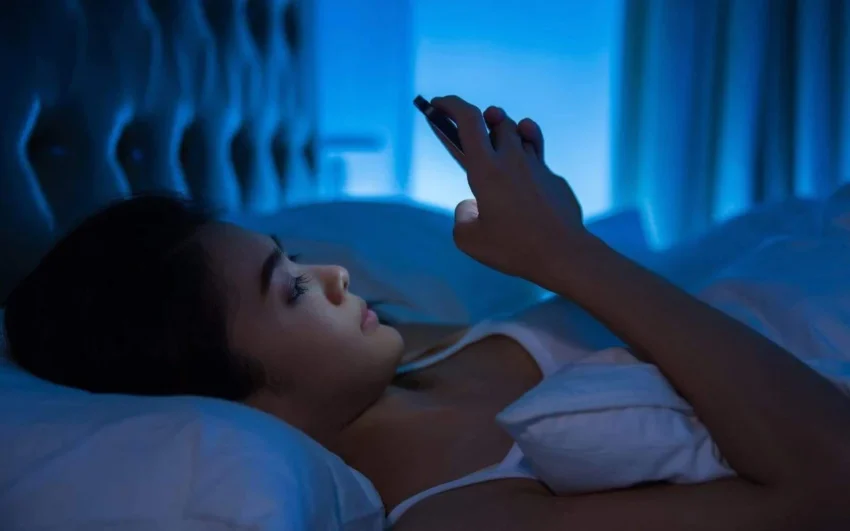
Screens have become a constant presence in my daily routine, from the moment I check notifications in the morning to the last scroll before bed. Over time, I started noticing subtle shifts in how I felt, especially with my sleep and eye comfort. That led me to pay closer attention to blue light exposure and how it quietly shapes my habits, energy levels, and overall well-being. It is easy to ignore because it feels so normal, yet the effects can build up in ways that are not always obvious.
What Blue Light Really Is
Blue light is part of the visible light spectrum, and it carries more energy than other colors like red or yellow. I find it fascinating that it exists naturally in sunlight, which actually helps regulate alertness and mood during the day. The challenge begins when artificial sources like phones, laptops, and LED lighting extend that exposure long after the sun has gone down.
My devices emit a concentrated amount of blue light, and unlike natural daylight, this exposure often happens at the wrong time. Instead of signaling my body to stay awake during the day, it interferes with the natural cues that tell me it is time to wind down. That contrast between natural and artificial exposure is where many of the problems begin.
How Screens Changed My Daily Rhythm
I noticed that my routine gradually shifted without me realizing it. Late-night scrolling felt harmless at first, but it often delayed my sleep by an hour or more. Even when I felt tired, my mind stayed active, as if it had not received the signal to rest.
Blue light plays a role in suppressing melatonin, the hormone responsible for sleep. When I kept exposing myself to screens at night, I was essentially telling my brain that it was still daytime. That small habit created a ripple effect, making it harder to fall asleep and even harder to wake up feeling refreshed.
The Connection Between Blue Light And Sleep Quality
Sleep quality became the biggest indicator that something was off. I started waking up feeling groggy, even after spending enough hours in bed. It was not just about how long I slept, but how well my body was able to go through its natural sleep cycles.
Blue light exposure in the evening can delay the onset of deep sleep. I realized that cutting back on screen time before bed made a noticeable difference. My sleep felt more restorative, and I woke up with a clearer mind instead of a heavy, sluggish feeling.
Eye Strain And Digital Fatigue
Another change I experienced was eye discomfort after long hours in front of a screen. My eyes would feel dry, and sometimes I noticed a slight headache forming behind them. It became clear that my eyes were not designed for constant exposure to bright, artificial light at close distances.
Digital eye strain goes beyond simple tiredness. It can include blurred vision, irritation, and difficulty focusing. I started becoming more aware of how often I blinked less while staring at screens, which only made the dryness worse. Taking short breaks throughout the day helped ease that tension significantly.
Why Blue Light Feels Different At Night
During the day, blue light from the sun actually helps me stay alert and focused. It boosts my mood and keeps my energy levels steady. The problem is not blue light itself, but the timing and intensity of exposure.
At night, my body expects darkness to trigger melatonin production. Artificial lighting disrupts that process, making it harder for my internal clock to function properly. I began to see how important it was to align my environment with natural light patterns instead of constantly overriding them.
The Role Of Devices In Everyday Exposure
Phones, tablets, and laptops have become essential tools in my life, so avoiding them completely is not realistic. What I can control, however, is how I use them and when I decide to disconnect. That shift in mindset made a big difference.
I started paying attention to how often I picked up my phone without a real reason. Those small, frequent interactions added up to hours of exposure each day. By setting boundaries, I was able to reduce unnecessary screen time without feeling like I was missing out.
Small Adjustments That Made A Big Difference
One of the easiest changes I made was adjusting the brightness and color settings on my devices. Many screens now offer night mode or blue light filters, which reduce the intensity of blue wavelengths. Switching to warmer tones in the evening felt more comfortable on my eyes almost immediately.
I also began setting a consistent cutoff time for screen use before bed. Even a 30 to 60 minute break helped my body transition into a more relaxed state. That time became an opportunity to unwind in other ways, like reading or simply sitting in a quieter environment.
Lighting Choices Inside My Space
The type of lighting I use at home plays a bigger role than I initially thought. Bright, cool-toned lights can feel energizing, which is great during the day but not ideal at night. I started switching to softer, warmer lighting in the evening to create a more calming atmosphere.
That simple adjustment helped signal to my brain that it was time to slow down. It felt like a natural transition instead of an abrupt shift from activity to rest. Over time, it became part of a routine that supported better sleep without requiring drastic changes.
Balancing Productivity And Rest
My work often requires long hours in front of a screen, so finding balance became essential. I did not want to sacrifice productivity, but I also did not want to ignore the impact on my health. That balance came from being more intentional with my habits.
Taking short breaks throughout the day allowed my eyes and mind to reset. Even stepping away for a few minutes made it easier to stay focused when I returned. It was not about working less, but about working smarter and giving my body what it needed.
The Impact On Mood And Energy
I started noticing that my mood was closely tied to how well I managed my screen time. On days when I spent too much time on devices, I felt more drained and less motivated. On days when I balanced screen use with breaks and natural light, I felt more energized and clear-headed.
Blue light exposure can influence more than just sleep. It can affect how I feel throughout the day, including my ability to concentrate and stay positive. That connection made me take the issue more seriously and prioritize healthier habits.
Why Awareness Matters More Than Avoidance
Completely avoiding blue light is not realistic, and it is not necessary either. The goal is not to eliminate it, but to become more aware of how and when it affects me. That awareness helped me make better decisions without feeling restricted.
I began to see blue light as something to manage rather than fear. By adjusting my habits and environment, I was able to reduce its negative impact while still enjoying the convenience of modern technology. That balance felt sustainable and practical.
Habits That Support Better Sleep
Building a routine that supports sleep made a noticeable difference in how I felt each day. I started winding down earlier and creating a buffer between screen time and bedtime. That transition allowed my mind to relax gradually instead of being overstimulated right before sleep.
Simple habits like dimming the lights and avoiding bright screens helped reinforce that routine. Over time, my body responded more naturally, and falling asleep became easier. It felt like I was working with my body instead of against it.
The Long Term Perspective
Looking at the bigger picture, I realized that small daily habits can have a lasting impact. Blue light exposure is not something that causes immediate harm in most cases, but its effects can accumulate over time. Paying attention to those patterns helped me stay proactive.
I do not aim for perfection, but I try to stay consistent. Some days are better than others, and that is part of the process. What matters most is maintaining habits that support my overall well-being in the long run.
Final Thoughts On Managing Blue Light
Living in a digital world means blue light exposure is part of everyday life. What I have learned is that small adjustments can lead to meaningful improvements in how I feel and function. It is not about making drastic changes, but about being mindful of how my habits align with my natural rhythms.
By setting boundaries, adjusting my environment, and paying attention to how my body responds, I have found a balance that works for me. Blue light is not something to avoid entirely, but something to handle with intention. That shift in perspective has made a lasting difference in both my sleep and overall comfort.