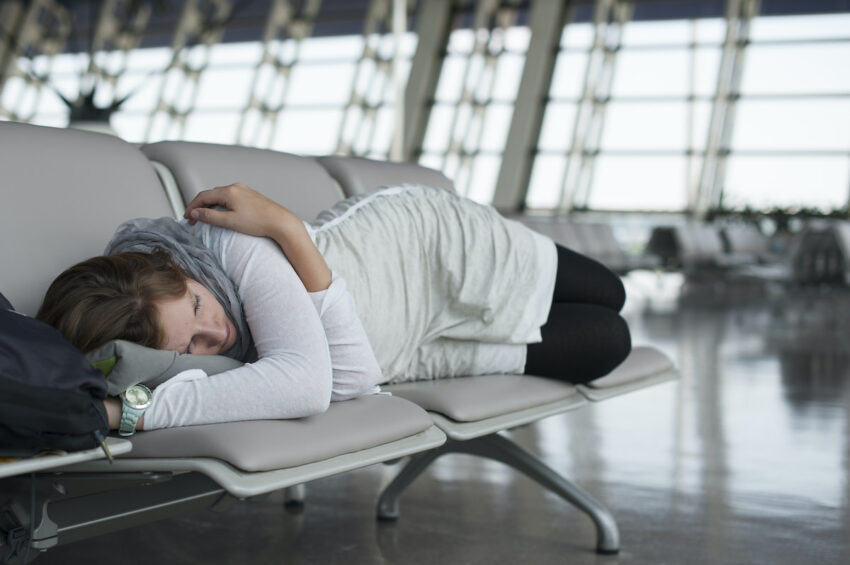
Travel always feels like a reset button for life, yet my sleep rarely agrees with that idea. The excitement of new places often collides with restless nights, leaving me wide awake when I should be sleeping and exhausted when I want to explore. I have found that jet lag is not just a minor inconvenience but a full-body experience that affects mood, energy, focus, and even how much I enjoy a trip. The more I travel, the more I notice how deeply my internal rhythm is tied to routine, and how easily it gets thrown off when time zones shift beneath my feet.
Why My Body Clock Struggles With Time Zone Changes
My body runs on a natural cycle that tells me when to feel alert and when to wind down. This internal rhythm does not instantly adjust when I land in a different time zone, and that mismatch creates confusion. I may arrive somewhere in the morning, yet my body insists it is still midnight, pulling me toward sleep when I want to be active.
This disruption comes from the sudden shift in light exposure, meal times, and daily habits. My brain relies heavily on consistency, and when that consistency disappears, it struggles to recalibrate. Even a few hours of time difference can feel significant, especially if I cross multiple zones in a short amount of time.
The longer the flight and the more time zones I cross, the harder it becomes for my body to adapt. I notice that eastward travel tends to be more difficult because it shortens the day, forcing my body to fall asleep earlier than it wants to. That adjustment rarely happens quickly, and I often find myself lying awake, waiting for sleep that refuses to come.
The Role Of Light In Resetting Sleep Patterns
Light plays a powerful role in how my body decides when it is time to sleep and wake up. Exposure to natural sunlight helps signal that it is daytime, while darkness tells my brain to prepare for rest. During travel, this balance becomes distorted, especially when I spend long hours inside airports and airplanes.
I have noticed that arriving during daylight hours helps my body adjust faster. Stepping outside, feeling the sun, and staying active gives my brain the cues it needs to start aligning with the new schedule. On the other hand, staying indoors or exposing myself to artificial light at the wrong times can delay this adjustment.
Nighttime can be tricky, especially if I am exposed to bright screens or artificial lighting. My brain interprets this as a signal to stay awake, which makes it even harder to fall asleep in a new environment. Small habits, like dimming lights and limiting screen use, can make a noticeable difference in how quickly my sleep improves.
How Flight Schedules Affect My Sleep Rhythm
Flight timing has a bigger impact than I initially realized. Overnight flights, early departures, and long layovers all contribute to sleep disruption. If I try to sleep at the wrong time during a flight, I often wake up feeling more tired than before.
Sleeping on a plane rarely feels natural. The constant noise, limited space, and interruptions make it difficult to reach deep, restorative sleep. Even if I manage to doze off, it is usually fragmented and insufficient, leaving me groggy upon arrival.
I have also noticed that skipping sleep entirely to match a destination schedule can backfire. While it may seem like a quick fix, the resulting exhaustion often makes it harder to stay awake during the day. Finding a balance between rest and adjustment becomes essential if I want to feel functional after landing.
The Physical Effects Of Jet Lag On My Body
Jet lag is not just about feeling tired; it affects my entire body. I often experience headaches, reduced appetite, and a general sense of discomfort that lingers for days. My digestion can become irregular, which adds another layer of unease during travel.
Energy levels fluctuate unpredictably, making it difficult to maintain a steady pace. I might feel alert one moment and completely drained the next, which can disrupt plans and reduce productivity. These shifts can make even simple activities feel more demanding than usual.
My immune system also seems more vulnerable when I am jet-lagged. The combination of stress, lack of sleep, and exposure to new environments can increase the chances of getting sick. This reminds me that rest is not just about comfort but also about maintaining overall health during travel.
Mental And Emotional Changes During Sleep Disruption
Sleep disruption does not just affect my body; it also influences how I think and feel. I notice that my patience wears thin more quickly, and small inconveniences feel more frustrating than they normally would. This emotional sensitivity can impact how I experience a trip.
Focus and memory also take a hit when I am sleep-deprived. I might forget details, struggle to concentrate, or feel mentally foggy throughout the day. This can make it harder to fully engage with new experiences, even when I am excited to explore.
Mood swings are another common effect. I can feel unusually irritable or unmotivated, which contrasts sharply with the excitement I usually associate with travel. Recognizing these changes helps me manage expectations and give myself space to adjust.
The Impact Of Environment On Sleep Quality
Sleeping in a new place always comes with challenges. Different sounds, unfamiliar bedding, and changes in temperature can make it harder for me to relax. Even subtle differences, like the firmness of a mattress or the brightness of streetlights, can affect how well I sleep.
Noise is one of the biggest factors. Whether it is traffic, conversations, or unfamiliar nighttime sounds, my brain remains alert in a new environment. This heightened awareness can prevent me from falling into deep sleep.
Temperature also plays a role. If the room is too warm or too cold, my sleep becomes restless. Adjusting these conditions as much as possible helps create a more comfortable environment, even when I am far from home.
How Daily Routines Get Thrown Off
Travel disrupts more than just sleep; it throws off my entire routine. Meal times, exercise habits, and daily schedules all shift, which adds to the confusion my body experiences. Without a consistent structure, it becomes harder to establish a rhythm.
Eating at unusual times can affect digestion and energy levels. I might feel hungry late at night or have no appetite during the day, which can further disrupt sleep patterns. Maintaining some consistency in meals helps stabilize these fluctuations.
Physical activity also changes during travel. Long periods of sitting during flights reduce movement, while exploring new places can lead to overexertion. Finding a balance between rest and activity becomes important for maintaining energy and promoting better sleep.
Strategies That Help Me Adjust Faster
Over time, I have developed habits that make adjusting to new time zones a bit easier. One of the most effective strategies is gradually shifting my sleep schedule before a trip. Even small adjustments can help my body prepare for the change.
Staying hydrated is another key factor. Air travel can be dehydrating, which worsens fatigue and discomfort. Drinking enough water helps me feel more alert and reduces some of the physical effects of jet lag.
I also try to align my activities with the local schedule as soon as possible. Eating meals, getting sunlight, and going to bed at appropriate times helps signal my body to adapt. While it is not always easy, consistency speeds up the adjustment process.
The Importance Of Rest Without Pressure
Forcing myself to sleep rarely works, especially when my body is out of sync. Instead of stressing about falling asleep, I focus on creating a calm environment and letting rest happen naturally. This shift in mindset reduces frustration and makes it easier to relax.
Short naps can be helpful if used carefully. Keeping them brief prevents interference with nighttime sleep, while still providing enough rest to get through the day. Timing becomes important, as late naps can delay the adjustment process.
Listening to my body also plays a role. Some days require more rest than others, and pushing through exhaustion can do more harm than good. Giving myself permission to slow down helps me recover more effectively.
Long Term Effects Of Frequent Travel On Sleep
Frequent travel can have lasting effects on sleep patterns. Repeated disruptions make it harder for my body to maintain a stable rhythm, which can lead to chronic fatigue. Over time, this can impact both physical and mental well-being.
I have noticed that consistent travel requires a more intentional approach to rest. Without conscious effort, the cycle of disruption can become overwhelming. Prioritizing sleep becomes essential rather than optional.
Balancing travel with recovery time is crucial. Allowing my body to fully adjust before the next trip helps prevent long-term exhaustion. This balance ensures that travel remains enjoyable rather than draining.
Finding Balance Between Exploration And Rest
Travel is about experiencing new places, but rest is what allows me to truly enjoy those experiences. Pushing myself too hard often leads to burnout, making it harder to appreciate the journey. Finding a balance between activity and recovery is key.
Planning downtime into my schedule helps maintain energy levels. Taking breaks, enjoying quiet moments, and allowing time for rest ensures that I can stay present throughout the trip. This approach makes travel more sustainable.
Sleep may not always be perfect while traveling, but small adjustments can make a significant difference. By paying attention to my body and making thoughtful choices, I can reduce the impact of jet lag and enjoy my experiences more fully.