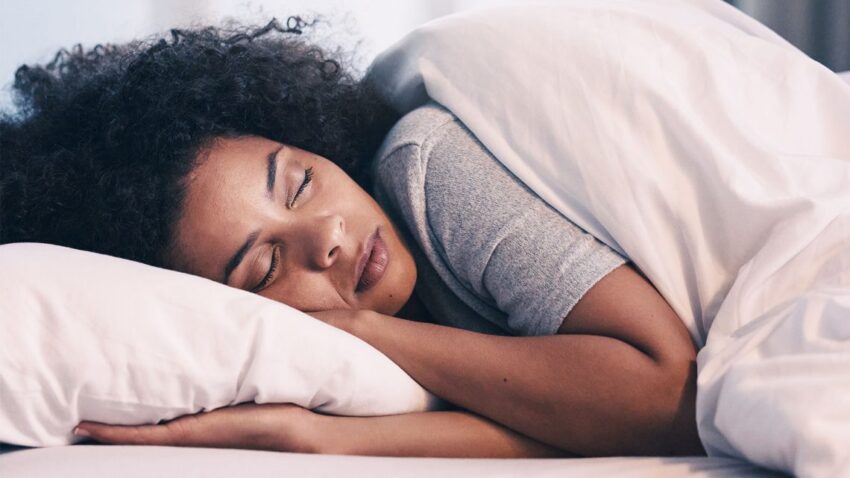
Sleep has a way of quietly shaping everything I do, even when I try to ignore it. I have noticed how quickly things begin to shift when I cut back on rest, whether it is because of work, stress, or simply staying up too late. The effects are not always dramatic at first, but they build up in ways that feel impossible to overlook after a few days. From my mood to my physical health, lack of sleep starts to leave a mark that is both subtle and deeply disruptive.
The Immediate Impact On Energy And Focus
The first thing I feel when I do not get enough sleep is a heavy sense of fatigue that follows me throughout the day. It is not just about feeling tired, but more like moving through a fog that makes everything harder to process. Even simple tasks take longer, and I find myself rereading things or forgetting what I was about to do. That mental slowdown can be frustrating because I know I am capable of more, yet my brain refuses to cooperate.
Focus becomes one of the biggest challenges in these moments. I notice how easily I get distracted, jumping from one task to another without completing anything efficiently. Conversations feel harder to follow, and my attention drifts without warning. It becomes clear that sleep is not just rest, but a necessary reset that allows my brain to function properly the next day.
Mood Swings And Emotional Sensitivity
Sleep deprivation does not just affect my energy levels; it also changes how I feel emotionally. I become more irritable, and small inconveniences start to feel overwhelming. Situations that I would normally handle calmly suddenly trigger frustration or impatience. It is as if my tolerance for stress shrinks, leaving me more reactive than usual.
At the same time, I notice a dip in my overall mood. I feel less motivated and sometimes even slightly down without a clear reason. It becomes harder to stay positive or find enjoyment in things I usually like. This emotional shift shows me how closely sleep is tied to mental well-being, and how quickly things can spiral when I do not get enough rest.
The Effect On Memory And Learning
When I do not sleep enough, my ability to remember things takes a noticeable hit. I might forget details from conversations or struggle to recall information I just learned. It feels like my brain is not properly storing what I experience during the day. That can be especially frustrating when I am trying to be productive or retain important information.
Sleep plays a role in organizing and strengthening memories, and I can feel the difference when that process is disrupted. Without enough rest, it is harder to connect ideas or think clearly about complex topics. Over time, this makes learning new things more difficult, and I begin to fall behind in areas where I would normally keep up with ease.
Changes In Physical Health And Immunity
One of the more concerning effects I notice is how my body physically reacts to lack of sleep. I tend to feel run down, and my immune system seems weaker. It becomes easier to catch a cold or feel slightly unwell without any clear reason. That constant feeling of being off reminds me that sleep is essential for maintaining physical health.
My body also feels more tense and less responsive. I notice aches, slower recovery from minor fatigue, and an overall sense of discomfort. These physical signs may seem small at first, but they add up and make daily life feel more exhausting. It becomes clear that sleep is not just about resting the mind, but also about allowing the body to repair itself.
Hormonal Imbalance And Appetite Changes
Another shift I notice is how my appetite changes when I do not sleep enough. I tend to crave more sugary or high-calorie foods, even when I am not truly hungry. It feels like my body is searching for quick energy to compensate for the lack of rest. That can lead to overeating or making choices that I would normally avoid.
This change is tied to hormones that regulate hunger and fullness. Without enough sleep, those signals become unbalanced, making it harder to control cravings. Over time, this can affect weight and overall health. It is surprising how something as simple as sleep can influence eating habits in such a powerful way.
Slower Reaction Time And Reduced Coordination
There are moments when I notice my physical coordination is not as sharp as it should be. My reaction time slows down, and I feel slightly off balance or less precise in my movements. This becomes especially noticeable when I am doing something that requires focus, like driving or handling tasks that need attention to detail.
This slowdown is not always obvious at first, but it can have serious consequences. Even small delays in reaction can increase the risk of accidents or mistakes. It makes me realize that sleep is not just about feeling rested, but also about maintaining safety and awareness in everyday activities.
Impact On Skin And Appearance
Lack of sleep also shows up in how I look. My skin appears dull, and I may notice dark circles under my eyes. There is a certain tiredness in my appearance that is hard to hide, no matter how much I try to compensate for it. It is one of the more visible reminders that my body is not getting what it needs.
Over time, this can affect confidence and how I present myself. When I feel tired, I tend to carry myself differently, and that can influence how others perceive me as well. It reinforces the idea that sleep is connected not only to internal health but also to outward appearance.
Long Term Risks To Heart And Metabolism
If I continue to neglect sleep over a longer period, the effects become more serious. There is an increased risk of issues related to heart health, including higher blood pressure. My body seems to struggle with maintaining balance, and that can lead to complications over time.
Metabolism is also affected, making it harder to manage weight and energy levels. The combination of hormonal changes and reduced activity can create a cycle that is difficult to break. These long-term risks serve as a reminder that sleep is not something to sacrifice lightly.
The Connection Between Sleep And Mental Clarity
Mental clarity is one of the first things to disappear when I do not get enough rest. My thoughts feel scattered, and it becomes harder to think creatively or solve problems. Tasks that require concentration feel overwhelming, and I may procrastinate simply because I do not have the mental energy to start.
This lack of clarity affects both personal and professional life. It becomes harder to communicate effectively or make decisions with confidence. I realize that sleep is not just about avoiding fatigue, but also about maintaining sharpness and clarity in everything I do.
Increased Stress And Reduced Resilience
Stress feels more intense when I am sleep deprived. Situations that I would normally handle without much effort suddenly feel overwhelming. It is as if my ability to cope has been reduced, leaving me more vulnerable to pressure.
Resilience also takes a hit, making it harder to bounce back from challenges. I may dwell on problems longer or feel discouraged more easily. This shift highlights how important sleep is for maintaining emotional strength and stability.
The Cycle Of Poor Sleep Habits
Once I start missing sleep, it can turn into a cycle that is difficult to break. I may feel too tired to maintain healthy habits, leading to more late nights or irregular routines. This creates a pattern where lack of sleep feeds into itself, making it harder to recover.
Breaking that cycle requires effort and awareness. It involves recognizing the impact of sleep and making it a priority, even when it feels inconvenient. Over time, I have learned that consistency is key to restoring balance.
Restoring Balance Through Better Sleep
Getting back to a healthy sleep routine makes a noticeable difference in how I feel. My energy levels improve, and my mood becomes more stable. I find it easier to focus, and my body feels more responsive and balanced.
This improvement reinforces the importance of sleep in every aspect of life. It is not just a passive activity, but an active process that supports both physical and mental health. By prioritizing rest, I can function at my best and maintain a sense of overall well-being.
Final Thoughts On Sleep And Health
Sleep is one of those things that can easily be taken for granted until the effects of losing it become impossible to ignore. I have seen how quickly my body and mind begin to struggle when I do not get enough rest. The changes may start small, but they grow into something that affects nearly every part of my life.
Paying attention to sleep has become a way of taking care of myself on a deeper level. It is not just about avoiding fatigue, but about supporting my health, mood, and ability to function each day. The more I respect the need for sleep, the better I feel, and the more capable I become in handling whatever comes my way.