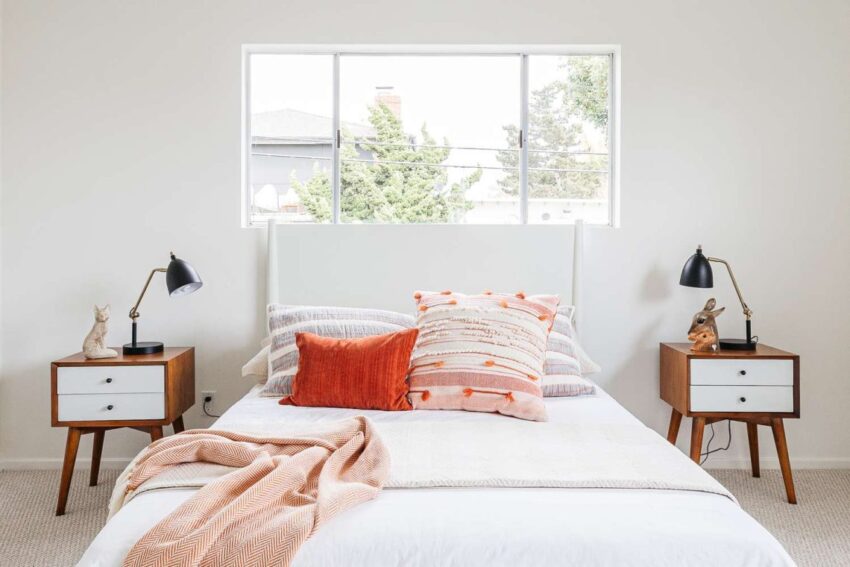
A good night’s sleep never felt like luck to me, it felt like something I had to earn through trial, small adjustments, and a lot of patience. Over time, I realized that the way my bedroom was set up had more influence on my rest than anything else in my daily routine. The environment I slept in quietly shaped how quickly I fell asleep, how often I woke up, and how I felt in the morning. Instead of chasing quick fixes, I started paying attention to the details around me, and that changed everything.
The Power Of A Thoughtful Bed Placement
The first shift I made was paying attention to where my bed was positioned in the room. I noticed that placing it directly in line with the door made me feel slightly on edge, even if I could not immediately explain why. Moving it to a spot where I could still see the door but not be directly aligned with it created a sense of calm that I felt almost instantly.
I also experimented with placing the bed against a solid wall instead of floating it awkwardly in the middle of the room. That subtle change gave me a stronger sense of stability, almost like the room itself was supporting me. It made falling asleep feel less like drifting into uncertainty and more like settling into something grounded.
Natural light also played a role in this setup. I avoided positioning the bed where early morning sunlight would hit my face directly unless I actually wanted that as a wake-up cue. That level of control over light exposure helped regulate my sleep rhythm without needing alarms every day.
Lighting That Signals Rest, Not Activity
Lighting turned out to be one of the most underestimated elements in my bedroom. Bright, white lights made my space feel like an office, even at night. Switching to warmer tones in the evening immediately changed the mood, making the room feel softer and more inviting.
I added a small bedside lamp with a dim setting instead of relying on overhead lighting. That simple change helped me ease into sleep gradually instead of abruptly flipping from full brightness to darkness. It felt more natural, like a gentle transition rather than a forced shutdown.
I also became more intentional about limiting blue light exposure. Screens had a way of tricking my brain into staying alert, so I kept devices away from my bed as much as possible. When I could not avoid them, I used night mode settings to reduce the harshness, which made a noticeable difference in how quickly I fell asleep.
Temperature That Works With Your Body
I underestimated how much temperature affected my sleep until I started experimenting with it. A room that felt slightly cool made it easier for me to drift off compared to one that was warm or stuffy. It felt like my body could relax more deeply when the environment supported that drop in temperature.
Instead of relying entirely on air conditioning, I played around with layers. Lightweight sheets, breathable blankets, and even the fabric of my pillowcases made a difference. I noticed that natural materials helped regulate heat better than synthetic ones, which often trapped warmth.
Ventilation became another priority. Even just cracking a window open for fresh air created a noticeable improvement in how the room felt. It made the space feel less stagnant and more aligned with a natural sleeping environment.
Decluttering For Mental Clarity
A cluttered room translated directly into a cluttered mind for me. Even if I was physically tired, the presence of random items scattered around made it harder to fully relax. Clearing surfaces and organizing essentials created a sense of order that my mind responded to almost immediately.
I did not aim for perfection or a minimalist aesthetic that felt unnatural. Instead, I focused on removing what did not belong in a space meant for rest. Work items, random packaging, and unnecessary decor slowly disappeared from my bedroom.
What remained was a cleaner, calmer environment that made it easier to unwind. Walking into the room at night felt different, like stepping into a space designed for rest rather than a storage area for everything else in my life.
Bedding That Actually Supports Sleep
The quality of my bedding turned out to be more important than I expected. It was not about luxury or expensive brands, but about how the materials felt against my skin and how well they supported my body. Sheets that were too rough or too synthetic made it harder to get comfortable, even if everything else in the room was perfect.
I paid closer attention to my mattress as well. A mattress that did not support my natural sleeping position led to subtle discomfort that built up over time. Once I found one that aligned with my body, I noticed fewer interruptions during the night.
Pillows were another detail that made a big difference. The right height and firmness helped keep my neck aligned, reducing tension that I did not even realize was affecting my sleep. Small adjustments in these areas added up quickly.
Sound Control And Quiet Comfort
Noise played a bigger role in my sleep than I initially realized. Even low-level background sounds could disrupt my rest without fully waking me up. I started identifying the sources of those sounds and finding ways to minimize them.
In some cases, that meant using simple solutions like thicker curtains or rearranging furniture to block external noise. In other situations, I introduced consistent background sounds like a fan or white noise, which helped mask sudden disruptions.
The goal was not absolute silence but a stable sound environment. Once I achieved that, my sleep felt deeper and less fragmented, even on nights when the outside world was not completely quiet.
Scents That Encourage Relaxation
Scent became a subtle but powerful part of my bedroom setup. Certain smells had a way of signaling to my brain that it was time to relax. I experimented with different options and found that gentle, natural scents worked best for me.
Lavender, chamomile, and soft woody notes created a calming atmosphere without being overwhelming. I avoided anything too strong or artificial, as those tended to have the opposite effect and made the space feel less comfortable.
Using a diffuser or lightly scented linen spray added another layer to the environment. It was not something I relied on every night, but when I used it, the difference in how quickly I settled down was noticeable.
Limiting Distractions In The Bedroom
I made a conscious decision to treat my bedroom as a space dedicated to rest. That meant reducing activities that kept my mind active, especially late at night. Watching intense shows or scrolling endlessly on my phone made it harder to transition into sleep.
Gradually, I shifted those habits outside the bedroom. I created a boundary where my bed became associated with relaxation rather than stimulation. That mental association played a bigger role than I expected.
Even small distractions like notifications or blinking lights from devices were addressed. Covering or removing them helped create a darker, more peaceful environment that supported uninterrupted sleep.
Personal Comfort And Familiarity
Comfort went beyond physical elements for me. It included the emotional connection I had with my space. Adding small personal touches made the room feel like a place I wanted to return to at the end of the day.
This could be something as simple as a favorite blanket, a piece of artwork, or even the way the room smelled after cleaning. These details created a sense of familiarity that made it easier to relax.
At the same time, I avoided overcrowding the space with too many personal items. Balance mattered, and I found that a few meaningful touches were more effective than filling every corner with decoration.
Consistency In The Sleep Environment
Consistency became one of the most important factors in improving my sleep. Changing too many elements too often made it harder for my body to adapt. Once I found a setup that worked, I focused on maintaining it.
That included keeping the room at a similar temperature each night, using the same lighting patterns, and sticking to a general routine. These repeated cues signaled to my body that it was time to rest, making the process feel more automatic.
Over time, this consistency reduced the effort required to fall asleep. It felt less like something I had to work on and more like something that happened naturally as part of my environment.
Small Adjustments That Made A Big Difference
Some of the most impactful changes I made were surprisingly small. Adjusting the height of my pillow, changing the position of a lamp, or even switching the direction of my fan created noticeable improvements. These details might seem minor, but they added up in meaningful ways.
I paid attention to how I felt each morning and used that as feedback. If something felt off, I looked for small tweaks rather than assuming I needed a complete overhaul. This approach made the process more manageable and less overwhelming.
It also taught me to trust my own experience instead of relying solely on general advice. What worked for me might not work for someone else, and that flexibility allowed me to refine my setup over time.
Building A Bedroom That Supports Your Life
My bedroom eventually became more than just a place to sleep. It turned into a space that supported my overall well-being. The way it looked, felt, and functioned all contributed to how I showed up in the rest of my life.
Better sleep improved my energy, focus, and mood in ways that extended far beyond the bedroom. It reinforced the idea that investing time and effort into this space was not just about comfort, but about quality of life.
The process was not about achieving perfection. It was about paying attention, making adjustments, and building a space that truly worked for me. That mindset made all the difference, and it continues to shape how I approach rest every night.