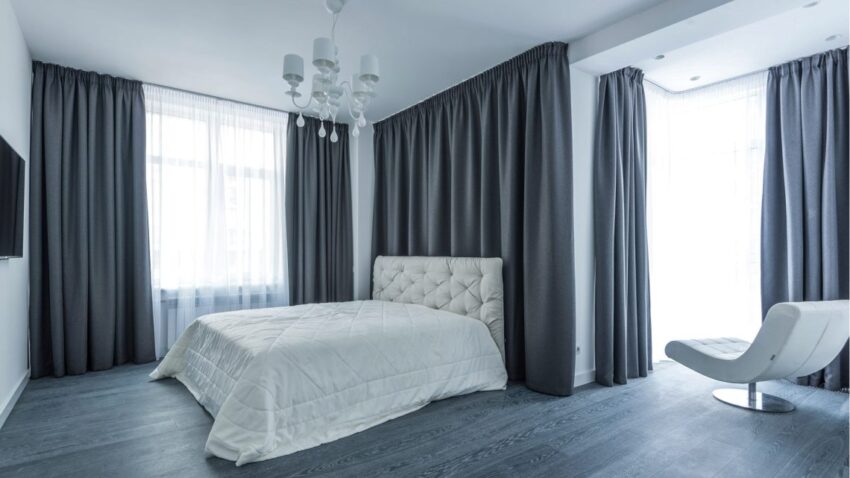
Sleep has always been deeply connected to my environment, and one of the most noticeable changes I made was installing blackout curtains. The difference was immediate and far more impactful than I expected. Instead of waking up to the early glow of streetlights or the first hint of sunrise, my room finally felt like a space dedicated to rest. That simple shift turned my nights into something more consistent, more restorative, and surprisingly more peaceful.
The Power Of Darkness In Sleep Quality
Darkness plays a direct role in how well the body rests, and I noticed this clearly after switching to blackout curtains. Even small amounts of light used to interrupt my sleep without me realizing it. That faint glow from outside or a flicker from passing cars would subtly pull me out of deeper sleep stages. With the curtains blocking nearly all light, my room became completely dark, and my sleep felt deeper and less fragmented.
The body relies on darkness to produce melatonin, the hormone that signals it is time to sleep. Once my room became fully dark, falling asleep started to feel more natural instead of forced. I no longer needed to wait for exhaustion to take over because my environment supported the process. The consistency of that darkness each night made a noticeable difference in how quickly I drifted off.
Waking up also changed in a surprising way. Without sudden light interruptions in the early morning, I stopped experiencing those half-awake moments that left me feeling groggy. Instead, I began waking up more naturally, often before my alarm, and with a clearer sense of rest. That shift alone made blackout curtains feel like one of the most effective upgrades I had made.
Blocking External Distractions
Light is not the only thing that disrupts rest, but it is often the most underestimated. Before installing blackout curtains, I underestimated how much outside activity filtered into my room through brightness alone. Streetlights, passing vehicles, and even nearby homes created a constant source of subtle stimulation. It was not loud or obvious, but it was enough to keep my mind slightly alert.
With blackout curtains in place, those distractions disappeared almost entirely. The room became more insulated from the outside world, creating a sense of calm that extended beyond just darkness. That feeling of separation helped my mind settle more quickly at night. I no longer felt like I was still connected to everything happening outside my window.
The psychological effect of this change was just as important as the physical one. Once the curtains were drawn, my brain began associating that environment with rest. It became a signal that the day was done and it was time to slow down. That consistent cue helped me transition into sleep much more easily.
Improving Sleep Consistency
Consistency has always been one of the hardest parts of maintaining good sleep, especially with a changing schedule. Some nights felt restful, while others were unpredictable and interrupted. After installing blackout curtains, that inconsistency began to fade. My sleep became more stable from one night to the next.
The controlled environment played a big role in this improvement. Without changing light conditions from outside, my room felt the same every night regardless of what was happening outdoors. Whether it was a full moon, bright streetlights, or early sunrise, none of it affected my sleep anymore. That stability helped my body settle into a more reliable rhythm.
Over time, I noticed that I started feeling sleepy at roughly the same hour each night. Waking up also became more predictable, which made mornings easier to handle. The curtains did not just improve one night of sleep, they helped establish a routine that felt sustainable.
Supporting Daytime Rest And Naps
Daytime naps used to be difficult because of the brightness that filled my room. Even with my eyes closed, the light made it harder to relax fully. I often found myself unable to fall asleep or waking up shortly after drifting off. It felt like my body refused to accept that it was time to rest.
Blackout curtains completely changed that experience. With the room darkened during the day, naps became far more effective. My body responded to the darkness the same way it did at night, allowing me to fall asleep more quickly. Even short naps felt more refreshing because I could reach deeper stages of rest.
This became especially helpful on days when I needed to recharge quickly. Instead of struggling through fatigue, I could create a restful environment at any time. That flexibility made a noticeable difference in my energy levels throughout the week.
Creating A Calm And Private Space
Beyond sleep itself, blackout curtains transformed the overall atmosphere of my room. The space felt more private and contained, which added to the sense of comfort. I no longer felt exposed to outside light or movement, and that made it easier to relax.
That sense of privacy extended into my nighttime routine. Drawing the curtains became part of winding down, almost like closing the door on the outside world. It created a boundary between the busyness of the day and the quiet of the night. That simple act helped me mentally prepare for rest.
The room also felt more controlled and intentional. Instead of reacting to external conditions, I was able to shape my environment to support my needs. That level of control made my sleep feel more reliable and less dependent on factors I could not manage.
Temperature And Comfort Benefits
While blackout curtains are often associated with blocking light, they also influence temperature in subtle but important ways. I noticed that my room stayed cooler during the day once the curtains were installed. The fabric blocked heat from sunlight, which helped maintain a more comfortable environment.
At night, this cooler temperature made it easier to fall asleep. I no longer had to deal with a room that felt warm from hours of sun exposure. The curtains acted as a barrier that reduced heat buildup, creating a more balanced space.
This added layer of comfort contributed to better sleep overall. When the environment feels physically comfortable, the body does not have to work as hard to relax. That made my nights feel smoother and less interrupted.
Helping Shift Workers And Light Sleepers
Blackout curtains are especially valuable for anyone dealing with irregular schedules or sensitivity to light. I have experienced periods where my sleep schedule shifted due to work or other commitments. During those times, maintaining a consistent sleep environment became even more important.
With blackout curtains, I could recreate nighttime conditions regardless of the hour. Whether I needed to sleep during the afternoon or early evening, the darkness helped signal to my body that it was time to rest. That made adjusting to different schedules far less stressful.
Light sleepers also benefit greatly from this change. Even small disturbances can interrupt sleep, and reducing those triggers makes a big difference. The curtains act as a protective layer that minimizes disruptions and supports deeper rest.
Enhancing Mental And Physical Well Being
Better sleep naturally leads to improvements in overall well being, and I noticed this gradually after making the switch. My energy levels during the day felt more stable, and I was less prone to sudden fatigue. That consistency made it easier to stay focused and productive.
Mood also improved in subtle ways. Restful sleep helped reduce irritability and made it easier to handle stress. Instead of starting the day feeling drained, I felt more prepared to take on whatever came my way. That shift created a positive cycle where good sleep supported better days.
Physical health benefits became more noticeable over time as well. Consistent rest helped with recovery, especially after long or demanding days. The body felt more balanced, and that made everyday tasks feel less exhausting.
Making Blackout Curtains Part Of A Sleep Routine
Integrating blackout curtains into my routine did not require major changes, but it did encourage more mindful habits. Drawing the curtains each night became a signal to slow down and prepare for rest. It created a consistent starting point for my nighttime routine.
This small habit helped reinforce a sense of structure. Instead of going straight from activity to sleep, I had a moment to transition. That pause made it easier to unwind and let go of the day.
Over time, the routine became second nature. The curtains were no longer just a practical addition but a meaningful part of how I approached sleep. That consistency played a key role in maintaining the improvements I experienced.
A Simple Change With Lasting Impact
Blackout curtains might seem like a small addition, but their impact on sleep can be significant. The ability to control light, reduce distractions, and create a calm environment makes a noticeable difference. For me, this change transformed not just how I slept, but how I felt throughout the day.
The benefits extend beyond comfort and convenience. They support deeper rest, more consistent sleep patterns, and a greater sense of control over the environment. That combination makes them one of the most effective tools for improving sleep without complicated adjustments.
Sleep quality often depends on the details that are easy to overlook. Blackout curtains address one of the most important factors in a simple and effective way. After experiencing the difference firsthand, it is clear that this small change can have a lasting impact on overall well being.