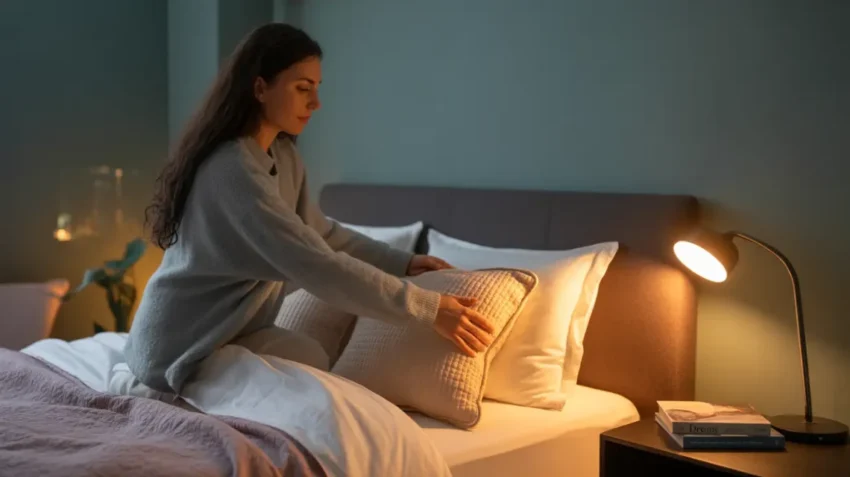
Sleep used to feel unpredictable for me, like something that either happened easily or didn’t show up at all, and I spent a long time focusing on routines, food, and stress without realizing how much light quietly controlled everything. The more I paid attention, the more obvious it became that lighting wasn’t just part of the environment but a powerful signal that told my body when to stay alert and when to finally rest. Small changes in brightness, color, and timing started to shift my nights in ways I hadn’t expected, and that realization changed how I structured my evenings completely.
How Light Signals The Body To Stay Awake Or Sleep
The body reacts to light in a deeply biological way, and I started noticing this once I paid attention to how alert I felt in bright spaces even late at night. Light enters through the eyes and sends signals to the brain that directly influence the sleep-wake cycle, which explains why a well-lit room can trick the body into thinking it’s still daytime. This internal clock, often called the circadian rhythm, relies heavily on consistent light cues to function properly.
Melatonin, the hormone responsible for making me feel sleepy, is directly affected by light exposure. Bright environments, especially those with artificial lighting, suppress melatonin production and delay the feeling of drowsiness. On the other hand, dim lighting allows melatonin to rise naturally, helping the body transition into rest mode without resistance.
Why Bright Evenings Disrupt Natural Sleep Patterns
Evenings filled with strong lighting used to feel normal, especially with overhead lights turned on while working or scrolling through my phone. Over time, I noticed that my brain stayed wired much longer than I wanted, and falling asleep felt like forcing something that should have been natural. The brightness was sending the wrong message to my body, telling it to remain active instead of slowing down.
Reducing brightness in the evening became one of the simplest yet most effective changes I made. Switching from harsh white lights to softer, warmer tones created a noticeable shift in how my body responded at night. Instead of feeling alert and restless, I started to feel a gradual sense of calm that made sleep come more naturally.
The Impact Of Blue Light On Sleep Quality
Blue light plays a major role in how the body perceives time, and I didn’t realize how much exposure I had until I started paying attention to screens and LED lighting. Phones, laptops, and televisions emit significant amounts of blue light, which mimics daylight and confuses the brain. This kind of exposure late at night can delay sleep by pushing the internal clock forward.
I noticed that nights spent on my phone right before bed often led to longer periods of tossing and turning. Even when I felt tired, my mind stayed active, as if it hadn’t received the signal to shut down yet. Reducing screen time or using night mode features helped lessen this effect, making it easier for my body to recognize that it was time to rest.
Warm Lighting And Its Calming Effect
Warm lighting has a completely different impact on the body compared to cool, bright light, and I started to appreciate this once I experimented with different bulbs in my space. Soft yellow or amber tones create a more relaxed atmosphere that doesn’t interfere as much with melatonin production. The environment feels less stimulating, which naturally encourages the body to wind down.
Using lamps instead of overhead lights became part of my evening routine. The softer glow made my room feel more peaceful, and that subtle change influenced how I felt mentally as well. Instead of staying in a state of alertness, I found myself gradually slowing down, both physically and mentally.
The Importance Of Darkness During Sleep
Complete darkness plays a bigger role in sleep quality than I initially thought, and even small sources of light can disrupt rest without being obvious. Streetlights, electronic indicators, or even faint light from devices can interfere with deep sleep cycles. The body responds best when the sleeping environment is as dark as possible.
I started noticing improvements once I minimized these small light sources. Covering blinking lights and using blackout curtains made my room feel more like a true sleep space. The deeper darkness helped me stay asleep longer and wake up feeling more refreshed instead of groggy.
Morning Light And Waking Up Naturally
Light doesn’t only affect how I fall asleep but also how I wake up, and morning exposure turned out to be just as important. Natural sunlight in the morning helps reset the internal clock, signaling the body that it’s time to be alert and active. This exposure strengthens the rhythm that governs sleep and wake cycles.
Opening curtains as soon as I wake up became a habit that improved my mornings significantly. Instead of relying solely on alarms, the natural light helped me feel more awake and energized. Over time, this consistency made it easier to fall asleep at night as well, since the body had a clear sense of timing.
Artificial Lighting And Modern Lifestyle Challenges
Modern life makes it easy to ignore the natural patterns of light and darkness, and I realized how much artificial lighting had become a constant presence. Indoor environments often stay bright well into the night, which disrupts the natural cues the body relies on. This constant exposure can lead to irregular sleep patterns and difficulty winding down.
Balancing the need for lighting with the body’s natural rhythm required some intentional changes. I began dimming lights earlier in the evening and being more mindful of how much brightness I was exposing myself to. These adjustments helped create a clearer distinction between daytime activity and nighttime rest.
Small Changes That Improve Sleep Through Lighting
Improving sleep through lighting didn’t require a complete overhaul of my environment, but rather a series of small, consistent adjustments. Lowering light intensity in the evening, reducing screen exposure, and embracing natural light during the day all contributed to better sleep quality. These changes worked together to support the body’s natural processes instead of working against them.
Consistency played a key role in making these adjustments effective. The more I stuck to these habits, the more predictable my sleep became. It felt less like a struggle and more like a natural rhythm that my body followed without resistance.
The Connection Between Lighting And Mental State
Lighting doesn’t just influence physical sleep patterns but also affects mood and mental state. Bright, harsh lighting can create a sense of tension or alertness, while softer lighting encourages relaxation. I noticed that my evening mood shifted depending on the type of lighting I used.
A calmer environment made it easier to disconnect from the stress of the day. The transition from bright to dim lighting acted almost like a signal to my mind, helping me move from a state of activity into one of rest. This mental shift played a big role in how easily I fell asleep.
Building A Night Routine Around Light
Structuring an evening routine around lighting became one of the most effective strategies I adopted. Gradually dimming lights as the night progressed created a natural transition that my body responded to positively. It felt like guiding myself into sleep rather than forcing it.
This routine also helped reduce reliance on willpower. Instead of trying to convince myself to sleep, the environment did part of the work for me. The cues were subtle but powerful, shaping my behavior without requiring constant effort.
Why Consistency Matters More Than Perfection
Perfect lighting conditions aren’t always possible, especially with busy schedules and modern responsibilities. I realized that consistency mattered far more than getting everything exactly right. Even small improvements, when practiced regularly, had a noticeable impact on sleep quality.
Allowing flexibility while maintaining core habits made the process sustainable. I didn’t need to eliminate all light sources or avoid screens entirely, but being mindful of how and when I used them made a difference. Over time, these habits became second nature.
The Long-Term Benefits Of Better Lighting Habits
Improving how I use light didn’t just enhance my sleep but also affected how I felt throughout the day. Better rest led to improved focus, mood, and overall energy levels. The changes felt subtle at first but grew more noticeable with time.
This experience made me realize how often sleep issues are connected to overlooked factors like lighting. Addressing these small details can lead to meaningful improvements without requiring drastic measures. The relationship between light and sleep is simple yet powerful, and paying attention to it can transform both nights and days in a lasting way.