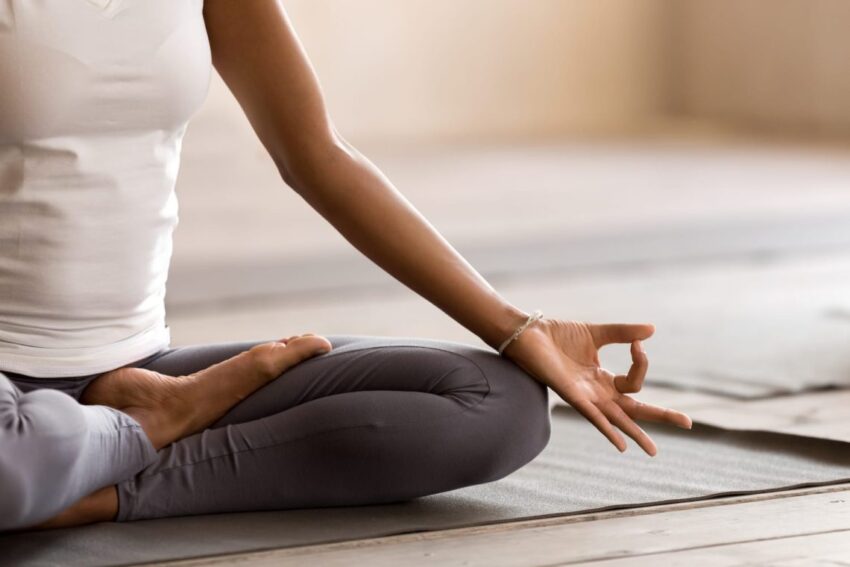
Sleep used to feel like something I had to chase instead of something that naturally came to me. Nights stretched longer than they should, with my mind replaying conversations, planning tomorrow, or drifting into worries that felt louder in the dark. I started paying attention to my breathing, not in a complicated or technical way, but simply noticing how it changed when I was calm versus when I was restless. That simple awareness led me to explore breathing exercises that slowly transformed my nights, turning bedtime into a quiet ritual instead of a battle.
Why Breathing Shapes How Fast You Fall Asleep
Breathing has a direct connection to how the body responds to stress, even if it is not always obvious. When I feel anxious or overstimulated, my breathing becomes shallow and quick, almost as if my body is preparing for something urgent. That kind of breathing keeps the nervous system alert, which is the exact opposite of what needs to happen before sleep. Slowing the breath sends a signal that it is safe to relax, and that signal travels faster than most people expect.
There is a noticeable shift that happens when breathing becomes deeper and more controlled. My heart rate softens, my muscles loosen, and the mental chatter begins to quiet down. It feels less like forcing sleep and more like removing the obstacles that prevent it. The body already knows how to fall asleep, but it needs the right conditions to do so naturally.
The more consistent I became with breathing exercises, the more I noticed how quickly my body responded. Even on nights when my thoughts were racing, a few minutes of steady breathing could interrupt that cycle. It did not eliminate stress entirely, but it created enough calm to make sleep possible.
The 4-7-8 Breathing Technique
This technique became one of my favorites because of how structured and simple it feels. I like that it gives my mind something specific to follow, which makes it easier to stop overthinking. The pattern is straightforward, but the effects build quickly when done with focus.
I start by inhaling quietly through my nose for four seconds. Then I hold that breath for seven seconds, allowing a gentle pressure to build without straining. After that, I exhale slowly through my mouth for eight seconds, making sure the exhale is steady and complete. That long exhale is where I feel the biggest release, almost like letting go of tension with each breath.
Repeating this cycle four to six times is usually enough to feel a noticeable shift. My body begins to feel heavier against the bed, and my thoughts lose their intensity. It becomes easier to drift away without forcing the process, which is what makes this technique so effective at night.
Box Breathing For Mental Stillness
Box breathing has a rhythm that feels balanced and grounding. I find it especially helpful on nights when my thoughts keep jumping from one topic to another. The equal timing of each step creates a sense of stability that helps settle that mental noise.
The process involves inhaling for four seconds, holding the breath for four seconds, exhaling for four seconds, and then holding again for four seconds. Each phase is equal, forming a steady pattern that is easy to follow. I sometimes imagine tracing a square in my mind, moving along each side with each part of the breath.
This technique feels less intense than some others, which makes it perfect for easing into sleep. It does not push the body too hard, but it still brings a sense of calm that builds gradually. After a few minutes, I often notice that my thoughts are no longer racing, and my focus naturally drifts inward.
Diaphragmatic Breathing For Deep Relaxation
There is a noticeable difference between shallow breathing and breathing that reaches the diaphragm. I did not realize how often I was breathing from my chest until I intentionally tried to breathe deeper. Once I shifted to diaphragmatic breathing, the calming effect became much stronger.
I lie down comfortably and place one hand on my chest and the other on my stomach. As I inhale through my nose, I focus on expanding my stomach rather than my chest. The hand on my stomach rises while the hand on my chest stays relatively still. This simple adjustment changes how oxygen flows through the body and signals a deeper level of relaxation.
The exhale is slow and controlled, allowing the stomach to fall naturally. With each cycle, my body sinks further into the mattress, and tension fades from areas I did not even realize were tight. It feels less like a technique and more like returning to a natural way of breathing that had been forgotten.
Alternate Nostril Breathing For Calm Focus
Some nights require a different kind of calm, especially when my mind feels scattered or overstimulated. Alternate nostril breathing offers a unique way to bring balance, both physically and mentally. It feels slightly more intentional, but the results are worth the extra attention.
I start by closing my right nostril with my thumb and inhaling slowly through my left nostril. Then I close the left nostril and release the right, exhaling through it. The pattern continues by inhaling through the right nostril, switching again, and exhaling through the left. This creates a flowing rhythm that requires gentle focus.
The act of switching nostrils keeps my mind engaged just enough to prevent wandering thoughts. At the same time, the steady breathing pattern calms the nervous system. After a few minutes, I feel more centered, and that sense of balance makes it easier to transition into sleep.
Extended Exhale Breathing To Release Tension
One of the simplest yet most powerful adjustments I made was focusing on longer exhales. The body responds strongly to extended exhalation because it activates the part of the nervous system responsible for relaxation. This technique does not require strict counting, which makes it easy to use when I am already tired.
I inhale gently through my nose for a comfortable count, usually around four seconds. Then I exhale slowly through my mouth for a longer count, often six to eight seconds. The goal is not to push the limits but to make the exhale noticeably longer than the inhale.
With each extended exhale, I feel tension leaving my body in a gradual and natural way. My shoulders drop, my jaw unclenches, and my breathing becomes smoother. It creates a quiet rhythm that feels soothing rather than structured, which is ideal for drifting off.
Pairing Breathing With A Night Routine
Breathing exercises become even more effective when they are part of a consistent routine. I noticed that my body began to associate certain actions with sleep, which made the transition easier over time. It is not about rigid schedules but about creating signals that bedtime has arrived.
I dim the lights, reduce noise, and settle into a comfortable position before starting any breathing exercise. These small steps prepare my environment in a way that supports relaxation. When I begin breathing, my body is already halfway ready for rest.
Consistency plays a bigger role than intensity. Even a few minutes of breathing each night can build a habit that strengthens over time. The more I repeated this routine, the quicker my body responded, often reaching a relaxed state within minutes.
Common Mistakes That Disrupt Results
Not all breathing attempts lead to relaxation, especially when done with too much pressure. I have found that trying too hard can create tension instead of releasing it. Breathing exercises should feel natural and gentle, not forced or rigid.
One mistake is breathing too quickly, even while trying to follow a pattern. Rushing through the steps defeats the purpose and keeps the body in an alert state. Slowing down, even slightly, makes a significant difference in how the body responds.
Another issue is expecting immediate perfection. Some nights require more patience, and that is completely normal. Instead of judging the process, I focus on the act of breathing itself, which eventually leads to the calm I am looking for.
How Long It Takes To Feel The Effects
The effects of breathing exercises can be surprisingly fast, but they are not always instant in the way people expect. For me, the first signs of relaxation usually appear within a minute or two. My breathing slows naturally, and my body begins to feel heavier and more settled.
On more restless nights, it can take a bit longer, sometimes up to ten minutes. The key is staying consistent without becoming frustrated. The body often needs a moment to shift from a state of alertness to one of rest.
Over time, the process becomes quicker because the body learns what to expect. It becomes familiar with the patterns and responds more efficiently. That sense of familiarity is what makes these exercises feel almost automatic after a while.
Turning Breathing Into A Natural Habit
The real change happened when breathing exercises stopped feeling like a task and started feeling like a natural part of my night. It was no longer something I had to remember or force myself to do. Instead, it became something I looked forward to because of how it made me feel.
I began noticing that I would instinctively slow my breathing even outside of bedtime, especially during moments of stress. That awareness carried into my nights, making it easier to settle down without much effort. The line between practice and habit slowly disappeared.
Building this habit did not require perfection, only consistency. Some nights were easier than others, but the overall trend was clear. Sleep became less of a struggle and more of a gentle transition, guided by something as simple and powerful as breathing.
Final Thoughts On Sleeping Faster With Breath
Sleep does not have to be complicated or out of reach, even on nights when the mind feels restless. Breathing exercises offer a direct and natural way to calm the body and quiet the noise that keeps sleep away. The simplicity of these techniques is what makes them so effective, especially when practiced regularly.
I have found that the key is not finding the perfect method but finding one that feels comfortable and repeating it consistently. Whether it is the structure of 4-7-8 breathing, the balance of box breathing, or the ease of extended exhales, each approach offers a path toward rest. Over time, these small moments of calm add up, turning bedtime into something peaceful rather than frustrating.