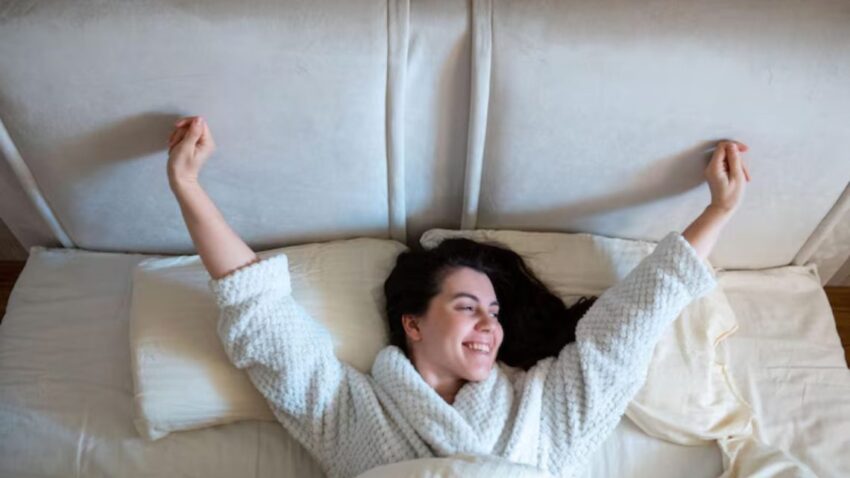
Sleep used to feel like a luxury I could sacrifice whenever life became busy, but over time I began to notice how much it shaped my energy, mood, and overall health. The connection between rest and resilience became impossible to ignore, especially during times when I felt run down or more prone to getting sick. It made me curious about whether improving sleep could genuinely strengthen the immune system, not just in theory but in everyday life. The more I paid attention, the clearer it became that sleep plays a central role in how the body defends itself.
How Sleep And Immunity Work Together
The immune system is constantly active, even when I am not aware of it, scanning for threats and responding to potential infections. Sleep is the time when many of these protective processes become more efficient. During deep sleep stages, the body releases proteins called cytokines, which help regulate inflammation and fight off infections. Without enough sleep, the production of these protective substances decreases, leaving the body more vulnerable.
I started noticing that after nights of poor sleep, I felt slightly off, like my body was slower to react and recover. It turns out that sleep deprivation doesn’t just make me feel tired; it can actually weaken immune responses. Over time, consistent lack of sleep can reduce the effectiveness of immune cells, making it harder to fend off common illnesses. That realization changed how I began to value rest, not just as recovery, but as a form of protection.
Why Sleep Quality Matters More Than Just Hours
At one point, I believed that simply getting enough hours of sleep was all that mattered. However, I learned that the quality of sleep is just as important as the duration. Restless sleep, frequent awakenings, or shallow sleep can disrupt the body’s ability to perform its nightly repair work. Even if I spent eight hours in bed, poor sleep quality often left me feeling unrefreshed.
Deep sleep and REM sleep are both essential for immune function. Deep sleep supports physical repair, while REM sleep plays a role in regulating stress and maintaining mental balance. When either stage is disrupted, the immune system doesn’t function as effectively. I began to notice that when I focused on improving my sleep environment and habits, I woke up feeling stronger and more alert, which seemed to carry into my overall health.
The Role Of Stress In Sleep And Immunity
Stress has a way of creeping into both sleep and immune health. During stressful periods, I often found it harder to fall asleep or stay asleep, and those restless nights seemed to make me more susceptible to getting sick. Stress triggers the release of cortisol, a hormone that, when elevated for long periods, can suppress immune function.
Sleep helps regulate cortisol levels, bringing them down and allowing the body to recover. When sleep is disrupted, cortisol can remain elevated, creating a cycle that affects both rest and immunity. Breaking that cycle required more than just going to bed earlier. I had to become more aware of how I managed stress during the day, whether through simple routines, quiet time, or limiting overstimulation before bed.
Sleep Deprivation And Increased Illness Risk
I began to connect the dots between poor sleep and getting sick more often. Research supports what I experienced firsthand: people who consistently get less than six hours of sleep are more likely to catch colds and other infections. The body’s defenses are simply not as strong without adequate rest.
Even minor sleep loss can impact immune response. Missing just a few hours of sleep over several nights can reduce the activity of natural killer cells, which are essential for fighting viruses. This was eye-opening because it showed that sleep is not just a passive state but an active contributor to staying healthy. Once I realized this, I started treating sleep as a non-negotiable part of my routine rather than something optional.
How Sleep Supports Recovery And Healing
One of the most noticeable benefits of good sleep is how it helps the body recover. Whenever I felt unwell, getting extra rest often made a significant difference in how quickly I bounced back. Sleep supports the production of antibodies and enhances the effectiveness of immune responses, especially during illness.
The body uses sleep as a time to repair damaged tissues and restore energy. This process is essential not only when fighting infections but also in everyday wear and tear. Without enough rest, recovery slows down, and the body struggles to return to its normal state. Recognizing this made me more intentional about prioritizing sleep during times when my body needed extra support.
Habits That Improved My Sleep And Health
Improving sleep didn’t happen overnight for me. It required small, consistent changes that gradually made a difference. Establishing a regular sleep schedule was one of the most effective steps I took. Going to bed and waking up at the same time each day helped regulate my internal clock, making it easier to fall asleep naturally.
I also became more mindful of my environment. Reducing noise, keeping the room cool, and limiting light exposure before bed created a more restful setting. Another important change was cutting back on screen time in the evening. The blue light from devices can interfere with the production of melatonin, the hormone that signals the body to sleep. By making these adjustments, I noticed a steady improvement in both my sleep quality and overall well-being.
Nutrition And Its Influence On Sleep And Immunity
What I eat has a direct impact on how well I sleep and how strong my immune system is. Certain nutrients play a role in promoting restful sleep, including magnesium, vitamin D, and tryptophan. Incorporating foods rich in these nutrients helped support both my sleep patterns and immune health.
Heavy meals late at night, on the other hand, often disrupted my sleep. I found that eating lighter dinners and allowing time for digestion made it easier to fall asleep comfortably. Hydration also plays a role, as dehydration can affect sleep quality and overall health. Paying attention to these details created a more balanced approach that supported both rest and resilience.
The Impact Of Physical Activity On Sleep Quality
Exercise became another key factor in improving my sleep. Regular physical activity helps regulate sleep patterns and promotes deeper, more restorative rest. On days when I stayed active, I noticed that falling asleep felt more natural and my sleep was less interrupted.
However, timing matters. Intense workouts too close to bedtime sometimes made it harder for me to wind down. Finding the right balance allowed me to benefit from exercise without interfering with sleep. This connection between movement, rest, and immunity reinforced the idea that health is a combination of interconnected habits rather than isolated efforts.
Sleep And Long-Term Immune Strength
Consistent, quality sleep contributes to long-term immune resilience. It is not just about avoiding short-term illnesses but also about maintaining overall health over time. Chronic sleep deprivation has been linked to increased inflammation, which can contribute to various health issues.
By improving my sleep habits, I noticed not only fewer instances of getting sick but also a general sense of stability in my health. Energy levels became more consistent, and my body felt better equipped to handle daily challenges. This long-term perspective made sleep feel like an investment rather than a simple daily necessity.
Small Changes That Make A Big Difference
What surprised me most was how small adjustments could lead to meaningful improvements. Simple practices like winding down before bed, limiting caffeine in the afternoon, and creating a calming nighttime routine had a noticeable impact. These changes didn’t require drastic effort, but they built a foundation for better sleep.
Consistency turned out to be more important than perfection. Even when I couldn’t control every factor, maintaining a general routine helped keep my sleep on track. Over time, these habits became second nature, supporting both my immune system and overall well-being.
Final Thoughts On Sleep And Immune Health
Paying attention to sleep transformed the way I approach health. It became clear that rest is not just about feeling refreshed but about giving the body the tools it needs to defend and repair itself. The connection between sleep and immunity is strong, and it shows up in both subtle and noticeable ways.
Better sleep doesn’t guarantee that I will never get sick, but it does improve my body’s ability to handle challenges. It creates a stronger foundation for resilience, energy, and recovery. Prioritizing sleep turned out to be one of the simplest yet most effective ways to support my immune system, and it continues to shape how I take care of myself every day.