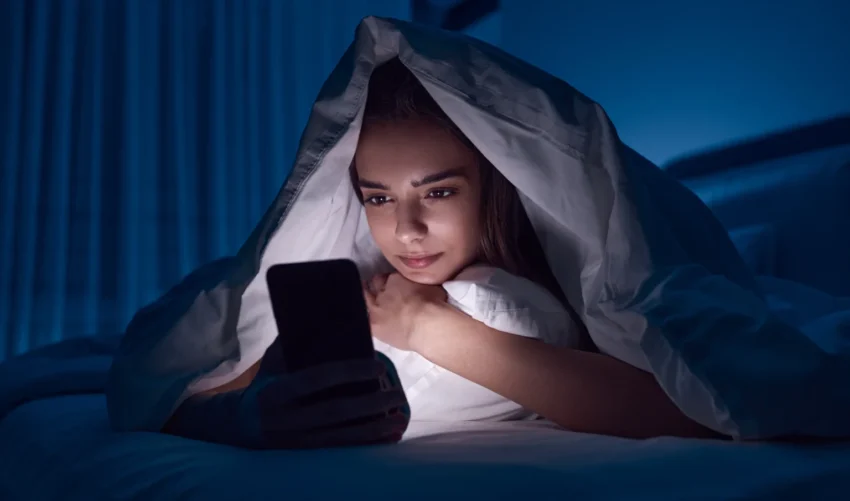
I didn’t realize how deeply social media had woven itself into my nightly routine until my sleep started to feel different—lighter, shorter, and somehow less satisfying. What used to be a simple act of winding down turned into endless scrolling, quick replies, and “just one more video” moments that stretched far beyond bedtime. Over time, I began to notice patterns: difficulty falling asleep, waking up tired, and reaching for my phone before even getting out of bed. This shift pushed me to reflect on how social media quietly reshapes the way I sleep and how I function the next day.
The Subtle Shift From Relaxation to Stimulation
Evenings are often when I finally get time to relax, and social media feels like an easy escape. I tell myself I’m unwinding, but the reality feels different once I pay attention. The constant stream of content—videos, messages, trending topics—keeps my mind engaged instead of calming it down.
My brain doesn’t seem to register this as rest. Instead, it stays alert, jumping from one piece of information to another. This mental activity delays the natural transition into sleep, making it harder for me to feel truly ready for bed.
Blue Light and Its Hidden Impact
One of the first things I noticed was how my phone screen affected my eyes at night. The brightness didn’t just strain my vision; it also seemed to signal my body to stay awake. I later realized that blue light plays a major role in this, interfering with the production of melatonin, the hormone responsible for sleep.
Even when I feel physically tired, exposure to screens makes it harder for my body to follow its natural rhythm. I might lie in bed, scrolling for a few minutes, but those minutes often turn into an hour. By the time I finally put my phone down, my body feels less prepared to fall asleep than it did before.
The Endless Scroll Effect
Social media platforms are designed to keep me engaged. The infinite scroll makes it easy to lose track of time, and I often underestimate how long I’ve been on my phone. I might intend to check one notification, but that quickly leads to browsing posts, watching videos, and reading comments.
This pattern creates a delay in my bedtime without me fully realizing it. What starts as a quick check becomes a habit that eats into the hours I should be spending asleep. Over time, this reduces the total amount of rest I get each night.
Emotional Stimulation Before Bed
The content I consume at night doesn’t just keep me awake mentally; it also affects me emotionally. Some posts make me laugh, others make me think, and some even trigger stress or comparison. These emotional responses linger longer than I expect.
Instead of entering a calm state, my mind stays active, replaying thoughts or reacting to what I’ve seen. This emotional engagement makes it harder to relax and drift into sleep. Even after I close my eyes, my mind continues processing everything I just consumed.
Notifications That Disrupt Rest
Sleep interruptions became more noticeable once I paid attention to notifications. Even if I fall asleep, alerts from messages or apps can wake me up or keep me in a lighter sleep stage. Sometimes I don’t fully wake up, but I still feel the disruption.
The anticipation of notifications can also affect how I sleep. Knowing that my phone might buzz makes me more likely to check it, even during the night. This breaks the continuity of my rest and leaves me feeling less refreshed in the morning.
The Habit of Late-Night Checking
Reaching for my phone before bed became almost automatic. It wasn’t something I consciously decided to do; it just felt like part of my routine. Over time, this habit reinforced itself, making it harder to fall asleep without scrolling first.
This routine creates a dependency that affects my sleep quality. Instead of allowing my body to wind down naturally, I rely on stimulation that delays rest. Breaking this cycle requires awareness and effort, which I didn’t initially expect.
Morning Fatigue and Its Ripple Effects
The impact of social media on my sleep doesn’t stop at night. It carries into the next day, affecting my energy levels and focus. Waking up tired makes it harder to stay productive, and I often feel the need to compensate with caffeine or naps.
This creates a cycle where poor sleep leads to reduced energy, which then affects my ability to maintain healthy habits. The more this cycle repeats, the harder it becomes to restore a consistent sleep pattern.
Comparison and Mental Overload
Social media exposes me to countless perspectives, lifestyles, and achievements. While this can be inspiring, it can also lead to comparison, especially late at night when my mind is less guarded. These thoughts don’t just disappear when I try to sleep.
Instead, they linger and create a sense of mental overload. My mind continues processing what I’ve seen, which delays relaxation. This makes it harder to transition into a peaceful state that supports deep sleep.
The Illusion of Relaxation
It’s easy to believe that scrolling through social media helps me relax. The content is often entertaining, and it feels like a break from responsibilities. However, the stimulation it provides doesn’t align with what my body actually needs for rest.
True relaxation involves slowing down, reducing mental activity, and preparing for sleep. Social media does the opposite by keeping my brain engaged and alert. Recognizing this difference helped me see why my sleep was being affected.
The Role of Time Perception
One of the most surprising effects I noticed was how social media distorts my sense of time. Minutes feel like seconds, and before I know it, an hour has passed. This makes it easy to push my bedtime later without realizing it.
This shift in time perception contributes to inconsistent sleep schedules. Going to bed at different times each night disrupts my body’s internal clock, making it harder to maintain a healthy rhythm.
Attempts to Regain Control
I started experimenting with small changes to improve my sleep. Setting a specific time to stop using my phone was one of the first steps I tried. While it wasn’t always easy to stick to, it helped me become more aware of my habits.
I also began placing my phone farther away from my bed. This reduced the temptation to check it late at night or during the middle of the night. These changes didn’t solve everything, but they made a noticeable difference.
Creating a Healthier Night Routine
Replacing social media with other activities helped me shift my routine. Reading, listening to calming music, or simply sitting quietly allowed my mind to slow down. These alternatives felt less stimulating and more aligned with rest.
Over time, this new routine made it easier to fall asleep. My body started recognizing these activities as signals to wind down. This reinforced a healthier pattern that supported better sleep.
The Importance of Boundaries
Setting boundaries around social media use became essential. Without clear limits, it’s easy to fall back into old habits. Deciding when to stop using my phone helped create a separation between my active day and my rest period.
These boundaries also reduced the emotional and mental stimulation I experienced before bed. With fewer distractions, my mind had a chance to settle, making it easier to fall asleep.
Long-Term Effects on Sleep Patterns
Consistent use of social media at night doesn’t just affect one evening; it shapes long-term sleep patterns. Irregular sleep schedules, reduced sleep quality, and increased fatigue can become the norm if habits don’t change.
Recognizing these long-term effects made me more mindful of my behavior. It highlighted the importance of making adjustments before these patterns become deeply ingrled in my routine.
Finding Balance With Technology
Social media isn’t inherently negative, and I still find value in using it. The challenge lies in finding a balance that doesn’t compromise my sleep. This requires awareness, discipline, and a willingness to adjust habits.
By setting limits and being intentional with my usage, I can enjoy the benefits of social media without sacrificing rest. This balance feels more sustainable and supports my overall well-being.
Reflecting on the Connection Between Screens and Sleep
Looking back, the connection between social media and sleep feels clear. The stimulation, the delayed bedtime, and the interruptions all contribute to disrupted rest. These factors combine in ways that are easy to overlook but significant in their impact.
Paying attention to these patterns helped me understand how small habits can influence something as essential as sleep. This awareness made it easier to take steps toward improvement.
Moving Toward Better Sleep Habits
Improving my sleep required consistent effort and patience. It wasn’t about eliminating social media entirely but about changing how and when I use it. Gradually, these changes led to better sleep quality and more energy during the day.
This process showed me that even small adjustments can have a meaningful impact. By being mindful of my habits, I can create a routine that supports both my digital life and my need for rest.
Final Thoughts on Social Media and Sleep
The relationship between social media and sleep is more complex than it appears on the surface. What feels like a harmless habit can have lasting effects on how well I rest and how I feel each day. Recognizing this connection allowed me to make changes that improved my overall quality of life.
Sleep is one of the most important aspects of well-being, and protecting it requires intention. Social media will continue to be part of daily life, but how I interact with it determines whether it supports or disrupts my sleep.