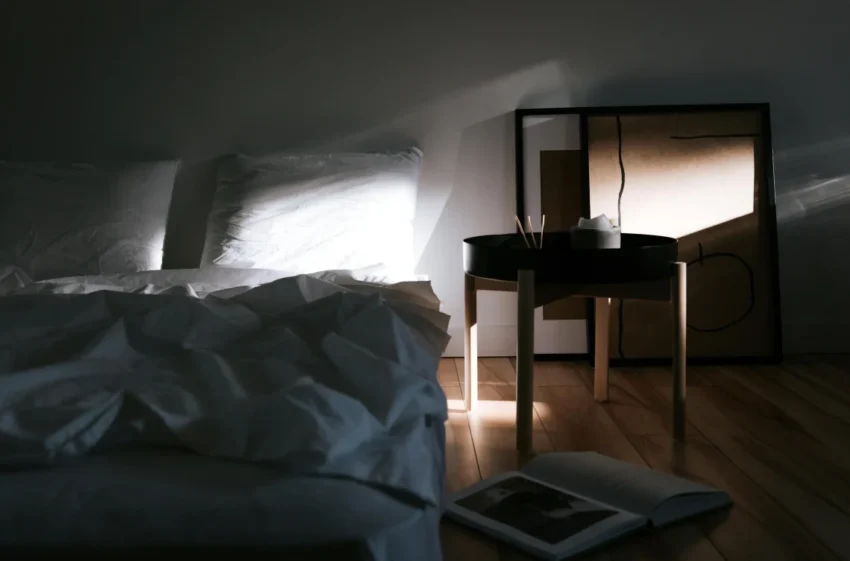
A cluttered bedroom used to feel normal, almost comforting, until I began to notice how restless my nights had become. The piles of clothes, random decor, and scattered items seemed harmless during the day, but at night they turned into silent distractions that weighed on my mind. Shifting toward a minimalist bedroom changed more than just how my space looked; it reshaped how I slept, how I relaxed, and how I mentally disconnected from the noise of daily life.
The Link Between Environment And Sleep Quality
Sleep is deeply tied to surroundings, even when it feels like the body should simply shut down on command. I noticed that a busy environment kept my mind subtly alert, as if it still had things to process before resting. Visual clutter can act like unfinished business, quietly signaling that there is more to think about or organize.
Reducing the number of items in my bedroom created a sense of closure at the end of the day. The fewer distractions I had in sight, the easier it became for my mind to transition into rest mode. It felt like my brain finally received permission to slow down, instead of scanning the room for what needed attention.
The simplicity of a minimalist bedroom works almost like a cue. Walking into a calm, uncluttered space signals that the room has a single purpose: rest. That consistency trains the body over time, making sleep feel more natural rather than forced.
How Visual Simplicity Calms The Mind
Visual noise is something I never paid attention to until it disappeared. Once I removed unnecessary objects, I realized how much mental space they had been occupying. Even items that held no immediate importance seemed to pull small amounts of focus, adding up over time.
A minimalist bedroom strips away that background tension. The clean surfaces and open spaces allow the eyes to settle, which in turn helps the mind do the same. I found it easier to lie down without my thoughts racing through random reminders triggered by objects around me.
There is also a sense of control that comes with simplicity. Seeing a neat, intentional space reduces stress because nothing feels out of place. That quiet order creates a mental environment where rest feels safe and uninterrupted.
Fewer Distractions Lead To Deeper Rest
Distractions do not always come from obvious sources like noise or light. Sometimes they come from the subtle urge to check something, move something, or think about something left undone. A cluttered bedroom feeds those urges without me even realizing it.
With fewer items around, those impulses started to fade. There was nothing to fix, nothing to rearrange, and nothing competing for my attention. That absence of distraction made it easier to stay in bed and focus on resting instead of getting up to handle small tasks.
Sleep felt deeper and more continuous. I noticed fewer moments of waking up and scanning the room, as if searching for something. The stillness of the environment supported a more stable sleep pattern.
The Psychological Impact Of Clutter
Clutter is not just physical; it carries emotional weight as well. Each item in a room can represent a task, a memory, or a decision that has not been fully resolved. Even if I was not actively thinking about these things, they contributed to a sense of mental overload.
Clearing out my bedroom helped lighten that invisible burden. Letting go of unnecessary items felt like letting go of unfinished thoughts. The space became easier to exist in, without the constant background pressure of things needing attention.
This shift had a noticeable effect on how quickly I fell asleep. My mind no longer felt crowded with lingering concerns, and the transition from wakefulness to rest became smoother. It was not about perfection, but about reducing excess.
Minimalism Encourages Better Night Routines
A minimalist bedroom naturally supports better habits. With fewer distractions, I found it easier to stick to a consistent nighttime routine. There was less temptation to scroll, organize, or get sidetracked by random activities.
The simplicity of the space made it feel more intentional. Each night, entering my bedroom felt like stepping into a dedicated place for rest, rather than a multipurpose area filled with distractions. That shift reinforced the idea that bedtime had a clear purpose.
Over time, this consistency strengthened my sleep patterns. My body began to associate the room with relaxation, making it easier to wind down without effort. The environment itself became part of the routine.
The Role Of Light And Space
Minimalist bedrooms often emphasize natural light and open space, both of which play a role in sleep quality. During the day, allowing light to fill the room helps regulate the body’s internal clock. At night, reducing visual clutter makes it easier to control lighting conditions.
I noticed that a more open space felt less suffocating. Even in a smaller room, removing excess furniture and decor created a sense of breathing room. That physical openness translated into mental ease.
Lighting also became more intentional. Instead of relying on multiple harsh sources, I focused on softer, warmer lighting that supported relaxation. The combination of space and light made the bedroom feel balanced rather than overwhelming.
Letting Go Of “Just In Case” Items
One of the hardest parts of moving toward a minimalist bedroom was letting go of items I thought I might need someday. These “just in case” objects tend to accumulate quietly, taking up both physical and mental space.
I began questioning whether these items truly belonged in a space meant for rest. Most of them did not serve any purpose related to sleep or relaxation. Removing them made the room feel lighter and more focused.
This process also shifted my mindset. Instead of holding onto things out of fear, I started prioritizing how I wanted to feel in my space. That clarity made it easier to maintain a minimalist approach over time.
Comfort Over Quantity
Minimalism is not about removing comfort; it is about refining it. I focused on keeping items that genuinely improved my sleep experience, such as quality bedding and supportive pillows. Everything else became secondary.
This shift made comfort more noticeable. Without clutter competing for attention, the elements that mattered stood out more. The bed became the centerpiece, reinforcing its role as the primary function of the room.
Quality replaced quantity in a meaningful way. Investing in fewer, better items created a sense of intention that supported restful sleep. The room felt purposeful rather than crowded.
Emotional Benefits Of A Simplified Space
A minimalist bedroom does more than improve physical rest; it supports emotional well-being. Walking into a clean, uncluttered space after a long day creates an immediate sense of relief. It feels like a reset button for the mind.
I found that my mood improved simply by being in a calmer environment. The absence of chaos allowed me to decompress more easily. That emotional ease carried into my sleep, making it feel more restorative.
There is also a sense of pride in maintaining a simple space. It feels manageable and sustainable, which reduces stress over time. That consistency contributes to a healthier relationship with both the space and sleep.
Maintaining A Minimalist Bedroom Long Term
Sustaining a minimalist bedroom requires ongoing awareness. It is easy for items to slowly creep back in, especially when daily life gets busy. I had to develop small habits to keep the space aligned with its purpose.
Regularly reassessing what belongs in the room became part of my routine. If something did not support rest or relaxation, it did not stay. This simple guideline made decisions easier and prevented clutter from building up again.
Consistency is key in maintaining the benefits. A minimalist bedroom is not a one-time project but an ongoing practice. The effort to keep it simple is rewarded with better sleep and a calmer mind.
Does Minimalism Really Improve Sleep?
From my experience, the answer is yes, but not in a magical or instant way. The improvement comes from a combination of factors that work together over time. A simpler environment reduces distractions, supports routines, and creates a sense of calm.
Sleep quality improved gradually as my bedroom became more intentional. Falling asleep felt easier, staying asleep felt more natural, and waking up felt less heavy. The changes were subtle at first but became more noticeable with consistency.
Minimalism does not guarantee perfect sleep, but it removes many of the barriers that make rest difficult. By simplifying the environment, it becomes easier for the body and mind to do what they are naturally meant to do.
Final Thoughts On Simplicity And Rest
A minimalist bedroom is less about aesthetics and more about function. It creates a space that supports rest without unnecessary distractions or stressors. The simplicity allows both the mind and body to settle more easily at the end of the day.
The shift toward minimalism changed how I view my bedroom entirely. It is no longer just a place to sleep but a space designed to support rest in a meaningful way. That intention makes a noticeable difference in how I feel each night.
Sleep is influenced by many factors, but the environment plays a larger role than it often gets credit for. Simplifying that environment can be a powerful step toward better rest, and it is one that continues to shape my nights in a positive way.